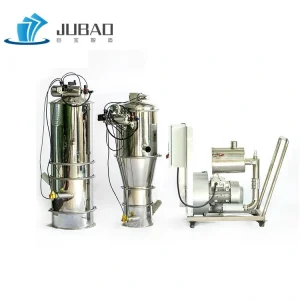
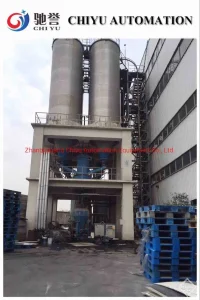
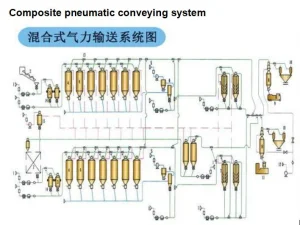
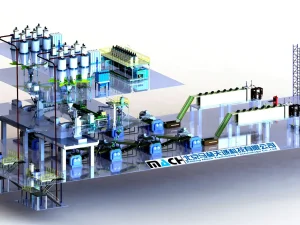
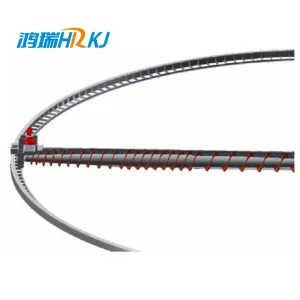
Engineered for food-grade clean environments, heavy bulk processing, and precise volumetric transfer.
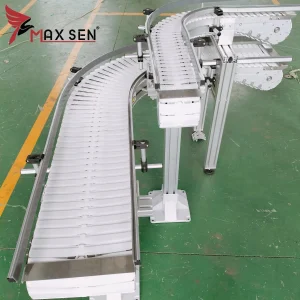
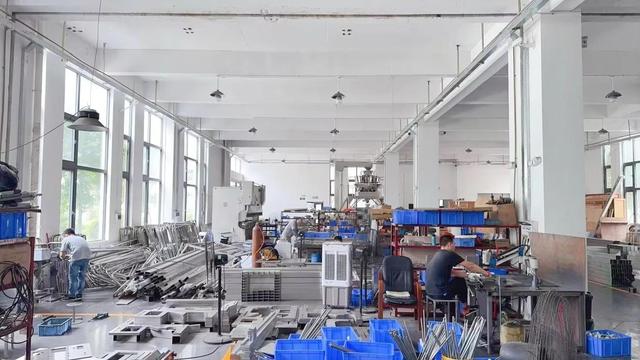
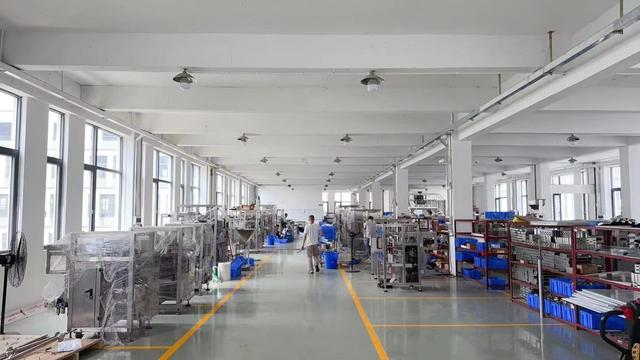
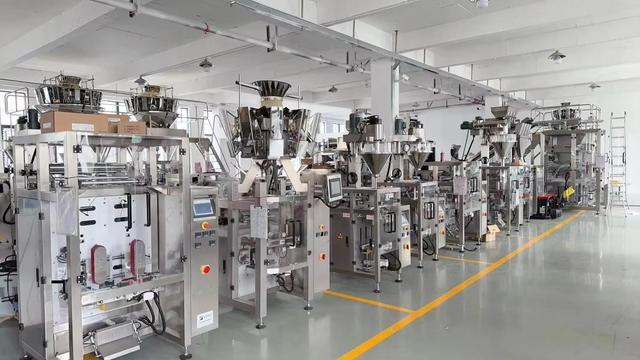
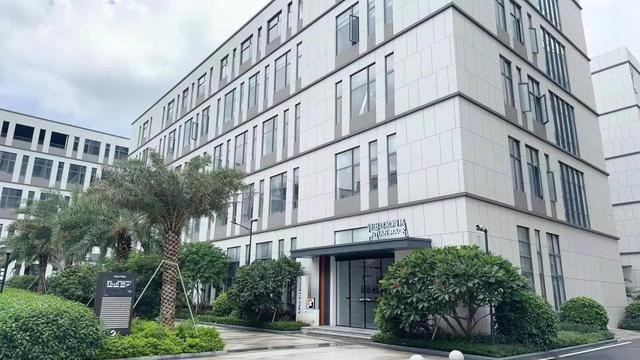
Established in 2010, Dongguan JSG Machinery Co., Ltd. has grown into an international powerhouse in material handling engineering and packaging automation. Operating a state-of-the-art 20,000 square meters production facility in the manufacturing heart of Dongguan, Guangdong Province, China, JSG coordinates design, precision fabrication, testing, and implementation under one unified quality management standard. Guided by an elite team of over 220 engineering specialists and technician resources, the enterprise produces system components engineered to withstand continuous heavy industrial stress.
As a verified manufacturer and global exporter, our capabilities focus on bridging the gap between mechanical design and automated process integration. Our products catalog spans multi-functional conveying pipelines, modular flexible chain layouts, pneumatic vacuum receivers, high-speed sorting modules, volumetric filling mechanisms, multihead weighing configurations, and complete turnkey end-of-line packaging setups. Across North America, Europe, Southeast Asia, South America, and the Middle East, our technical deployments support thousands of food processing plants, chemical facilities, pharmaceutical labs, and e-commerce distribution centers in maximizing their operational performance.
Modern bulk material conveying is transitioning rapidly from traditional open mechanical designs to dust-free, smart closed-loop architectures. Driving factors such as tightening global environmental rules, heightened occupational health standards, and the mandate for high-level factory automation have shifted the design priorities of global plant engineers.
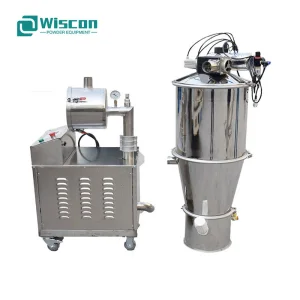
Manual cleaning represents massive losses in uptime. Industries handling difficult chemical powders (e.g., Titanium Dioxide) or food ingredients (e.g., Soybean Meal) increasingly specify high-efficiency pneumatic vacuum structures paired with automated Clean-in-Place (CIP) nozzle systems. These clean setups allow lines to wash and dry without disassembly, cutting batch changeover durations from several hours to minutes.
The integration of vibration sensors, thermodynamic load gauges, and speed encoders directly into conveyor hubs supports real-time performance tracking. Industrial plants utilize these smart telemetry arrays to predict mechanical fatigue in belt rollers and chain drives, preventing costly unscheduled downtimes.
To mitigate material loss and component wear, system engineers deploy advanced thermoplastic materials. Materials like high-quality Polyoxymethylene (POM) flexible chains exhibit high mechanical stability, low friction coefficients, and chemical resistance. When combined with lightweight anodized aluminum frame structures, these assemblies lower kinetic resistance, resulting in up to 35% lower drive motor energy requirements.
Usage of variable frequency drives (VFD) and IE4-rated energy-efficient motors to optimize power usage based on bulk-material load curves.
Sealed dust-free positive and negative pressure pipelines stop fine particles from escaping, protecting the workspace environment.
Vibration and temperature monitoring arrays catch bearing and motor failures before they lead to line stoppages.
Purchasing managers, engineering contractors, and procurement departments evaluating Chinese exporters face complex trade-offs. Finding the balance between upfront capital expenditures (CAPEX), long-term operational costs (OPEX), and local regulatory compliance is critical. Industrial buyers prioritize specific operational qualities:
JSG Machinery addresses these critical requirements through flexible engineering services. Rather than supplying generic catalogs, we provide customized structural adaptations, tailored software integration, and detailed documentation. This ensures seamless onsite commissioning for international system installations.
Every bulk material presents distinct physical behaviors, requiring specific engineering solutions for storage, feeding, and transport.
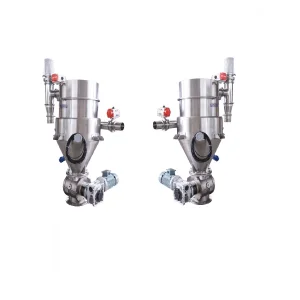
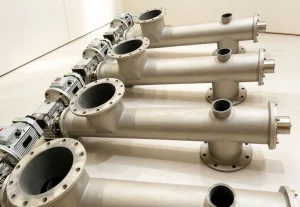
Fine pharmaceutical ingredients are sensitive to contamination and product loss. Traditional open conveyors often generate dust, exposing operators to active ingredients. JSG's Pharmaceutical Vacuum Pneumatic Conveying Systems utilize negative pressure pipelines to transport fine granules and powders within sealed containment paths. These systems eliminate dust dispersion, protect product purity, and ensure compliance with strict GMP standards.
Conveying raw materials like Carbon Black, Titanium Dioxide, or Lithium Carbonate presents major challenges due to their highly abrasive, sticky, or cohesive natures. Standard piping systems and mechanical screw conveyors can wear out rapidly under these conditions. JSG addresses this with custom pneumatic designs featuring reinforced rotary feeder valves, abrasion-resistant pipe elbows, and Clean-in-Place (CIP) cleaning mechanisms. These specialized designs minimize system friction, prevent material buildup, and dramatically extend component life.
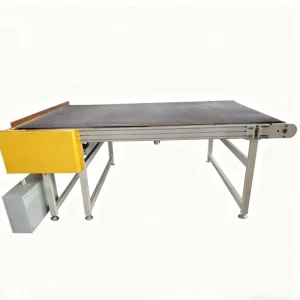
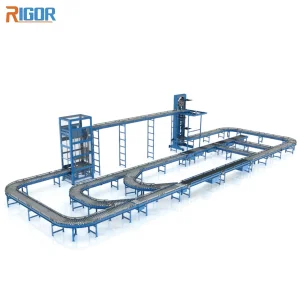
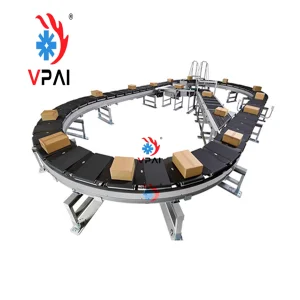
Modern distribution centers demand fast, accurate parcel sorting. JSG engineers high-speed belt and roller conveyors integrated with advanced DWS (Dimensioning, Weighing, Scanning) systems and six-sided motor drives. These systems deliver precise parcel alignment and continuous sorting speed, maximizing throughput in automated warehouses.
Operating as an international supplier requires meeting rigorous compliance and quality standards. JSG Machinery structures its manufacturing workflows to satisfy global regulatory frameworks, including:
Essential for conveying flammable dusts like flour, starch, carbon black, and wood chips. JSG systems incorporate explosion-venting panels, flame barriers, and static-conductive materials to prevent electrostatic discharge.
All food and beverage conveying lines utilize certified 304/316L stainless steel and food-grade polymers. Comprehensive safety compliance documentation is provided for seamless integration into European and North American markets.
We conduct rigorous mechanical and electrical performance tests prior to shipment. Customers receive detailed FAT reports, wiring schematics, and operating manuals to simplify field commissioning.
By maintaining strict quality assurance standards from initial design to final packaging, JSG ensures that every conveying system integrates seamlessly with global manufacturing lines, minimizing onsite startup times.
As industrial manufacturing adopts Industry 4.0 paradigms, the role of conveying networks is expanding beyond simple transport to become the backbone of real-time process control. JSG's technology roadmap highlights key trends shaping the future of material handling:
Traditional gearboxes and drive chains represent points of wear and friction. The industry is moving toward linear-synchronous motor technologies and magnetic track structures. These advanced drive options enable high-speed, frictionless movement for lightweight assembly components, eliminating dust generation and mechanical wear.
Material properties like moisture level and particle size distribution can fluctuate between material batches. Next-generation pneumatic vacuum systems feature automated sensor arrays that dynamically adjust pressure and flow velocities. This prevents line blockages while minimizing energy use during lower-demand cycles.
Future engineering mandates focus on energy reduction and sustainability. We actively design modular conveying components using fully recyclable polymers and low-friction alloys. These choices reduce overall carbon footprints and simplify component disposal at the end of their lifecycle.
Dilute phase conveying uses high-velocity, low-pressure air streams to suspend and carry materials. It is ideal for non-abrasive, low-density powders. Dense phase conveying uses low-velocity, high-pressure air to push materials in slugs, making it the preferred choice for abrasive materials (like silica sand) or fragile particles that degrade at high speeds.
We design ATEX-compliant systems using ground-bonded piping to prevent static buildup, explosion-isolation valves to contain flame propagation, and pressure-rated silos equipped with explosion relief vents.
All contact materials, including SUS304/SUS316L stainless steel, POM chains, and silicone gaskets, comply with FDA regulations for food contact. Fully traceably-sourced material certifications are provided with every system delivery.
We offer complete system design customization, including layout adaptation to match specific plant dimensions, custom frame materials, PLC integration (Siemens, Allen-Bradley, Omron), and custom-configured rotary feeding mechanisms.
Our vertical sorting systems feature variable frequency control (VFC) to manage acceleration and deceleration profiles. Soft-surface belts and optimized drop-chute angles ensure smooth product transition and prevent physical damage.
Prior to shipment, we assemble the complete system at our facility and run tests using either simulation materials or customer-supplied product samples. We verify mechanical feed rates, electrical safety parameters, PLC program logic, and control loops before releasing the system for shipment.
High-speed logistics, heavy-duty mining, and precise batching conveyor configurations.
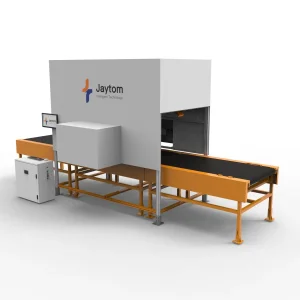
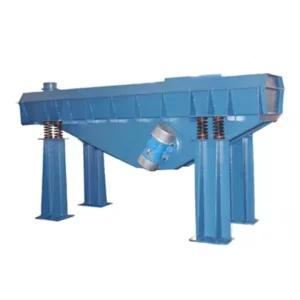
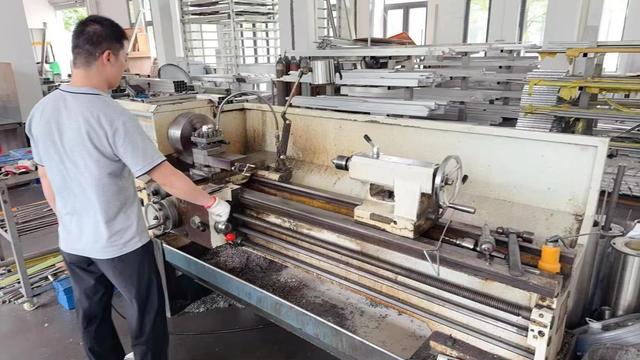
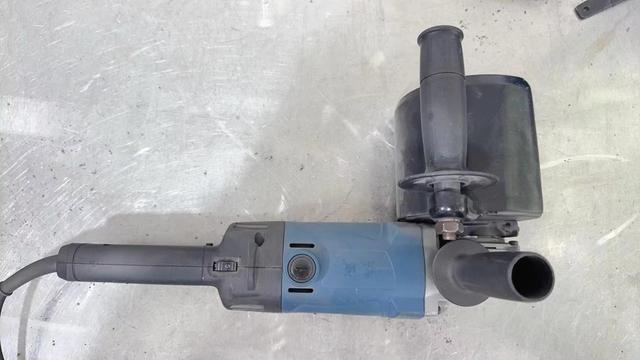
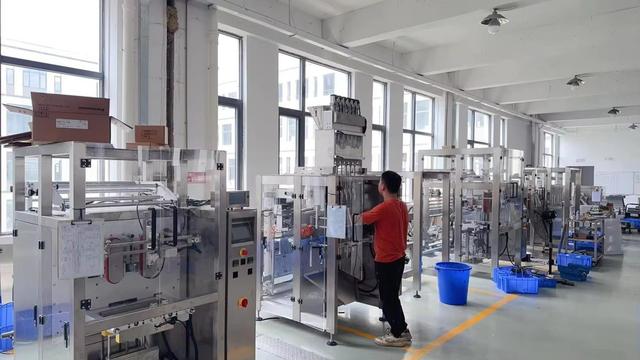
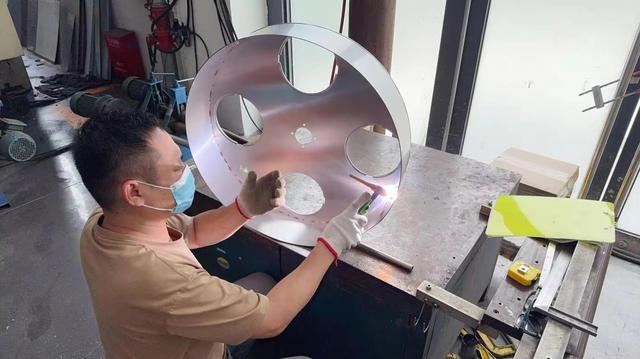
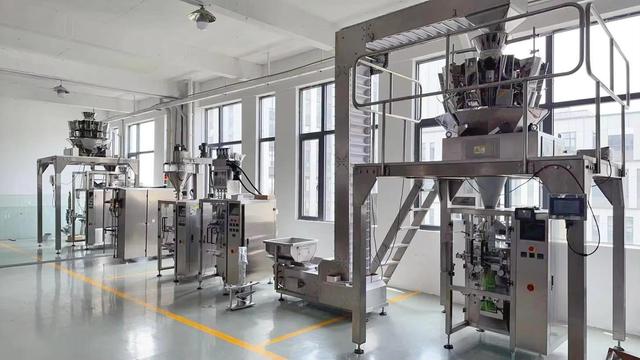
A tour through our 20,000 square meters production facility in Dongguan, highlighting our machining centers, testing bays, and modern assembly lines.

 JSG Machinery