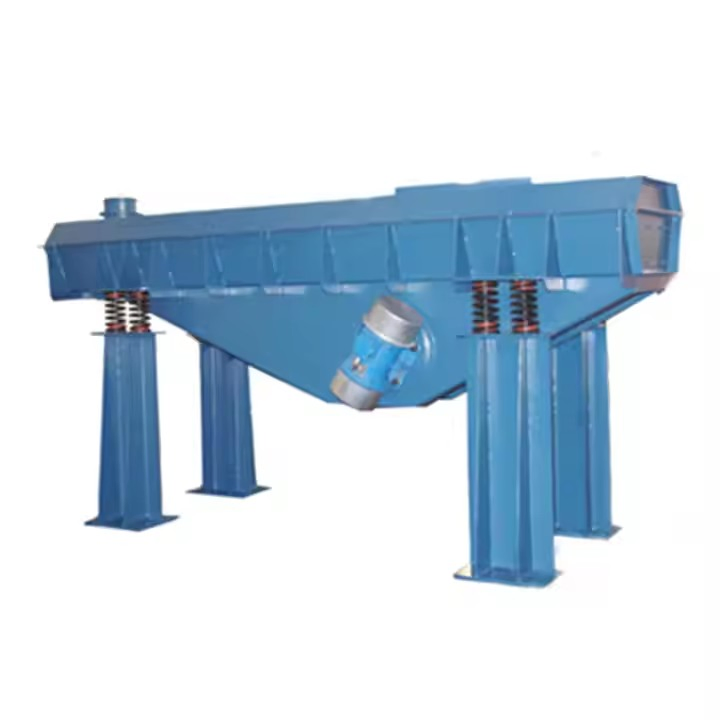
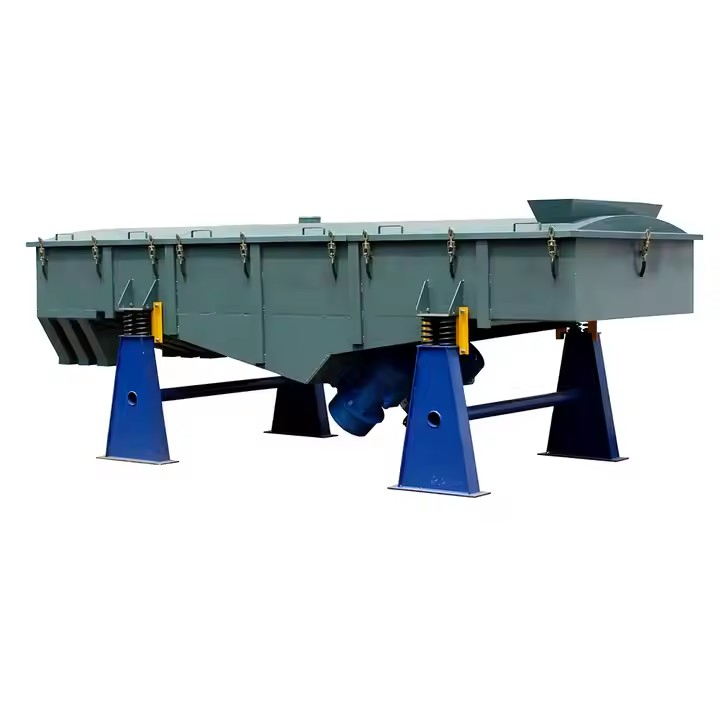
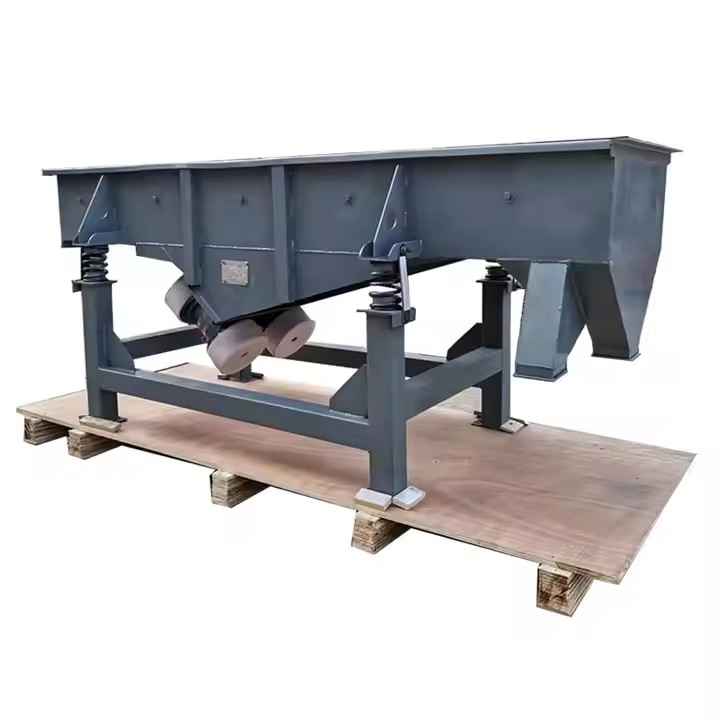
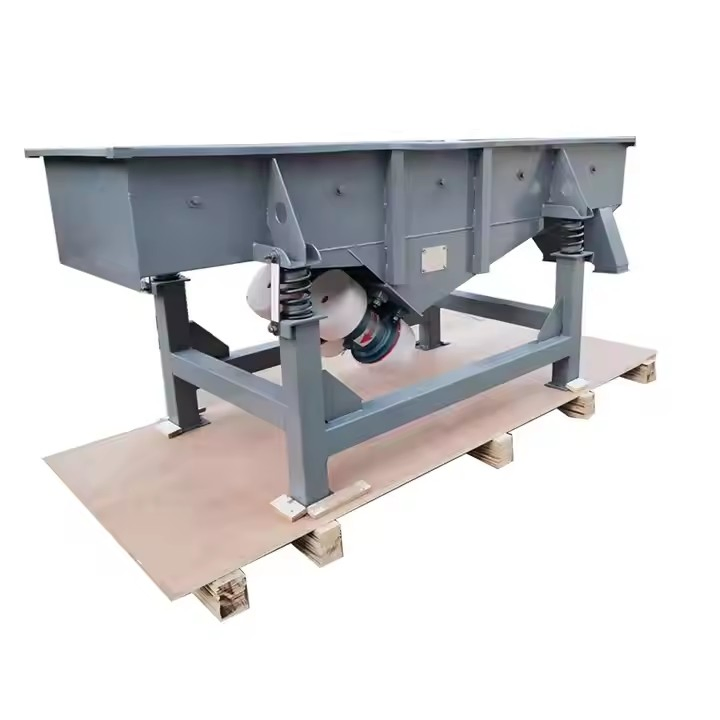
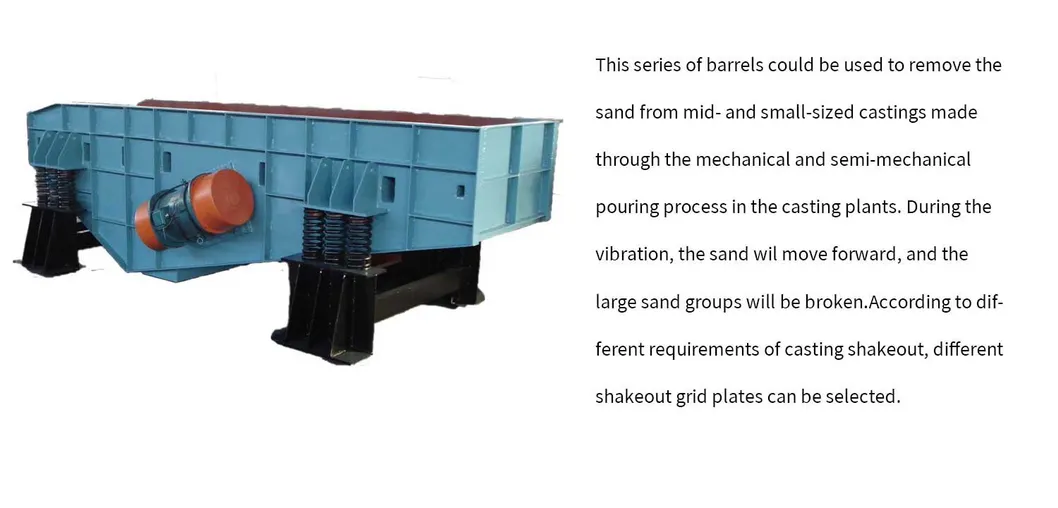
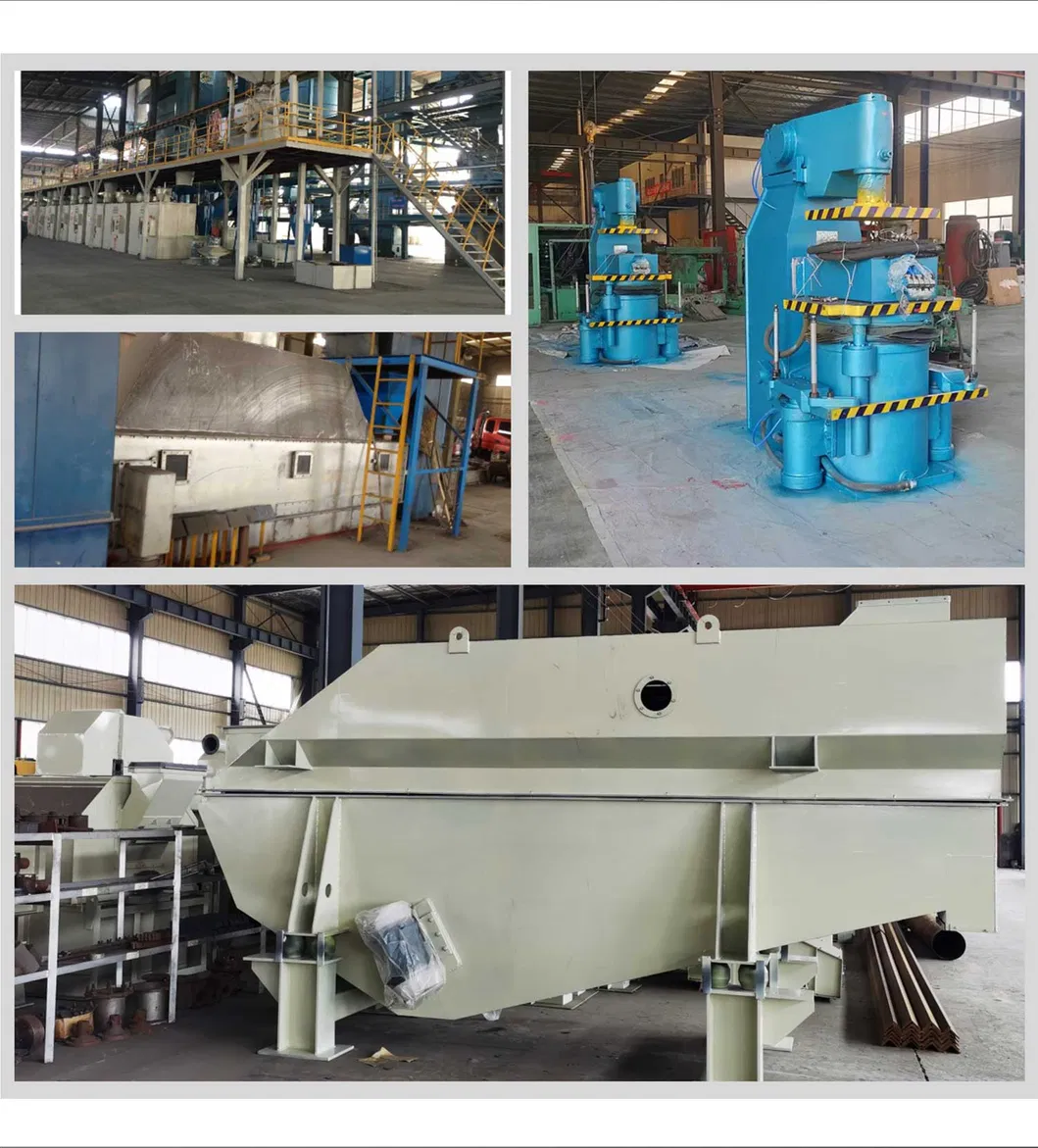
Clay sand is a type (core) sand configured with clay as a binder. Realizing the mechanization of the sand treatment process is an important part of casting production.
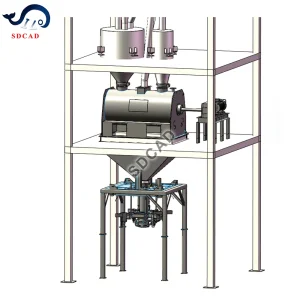
The clay sand production line is the process of conveying the entire clay sand from conveying to sand mixing to modeling integration. A large number of equipment is used to coordinate and cooperate to achieve the process of pouring after the user completes the model.
Clay sand production line specifications are: 20 tons, 40 tons, 60 tons, 80 tons, 100 tons, 120 tons. Can be equipped with horizontal and vertical moldi.
Semi-automatic Molding Line
Clay sand mold casting process takes clay and appropriate amount of water as the main binder of molding sand. After the sand mold is made, it is directly closed and poured in wet state. Wet mold casting has a long history and is widely used. The strength of green sand depends on a certain proportion of clay and water. Once the molding sand is mixed well, it has a certain strength. After being rammed and compacted, it can meet the requirements of molding and pouring. Therefore, the clay content and moisture content in molding sand are very important process factors.
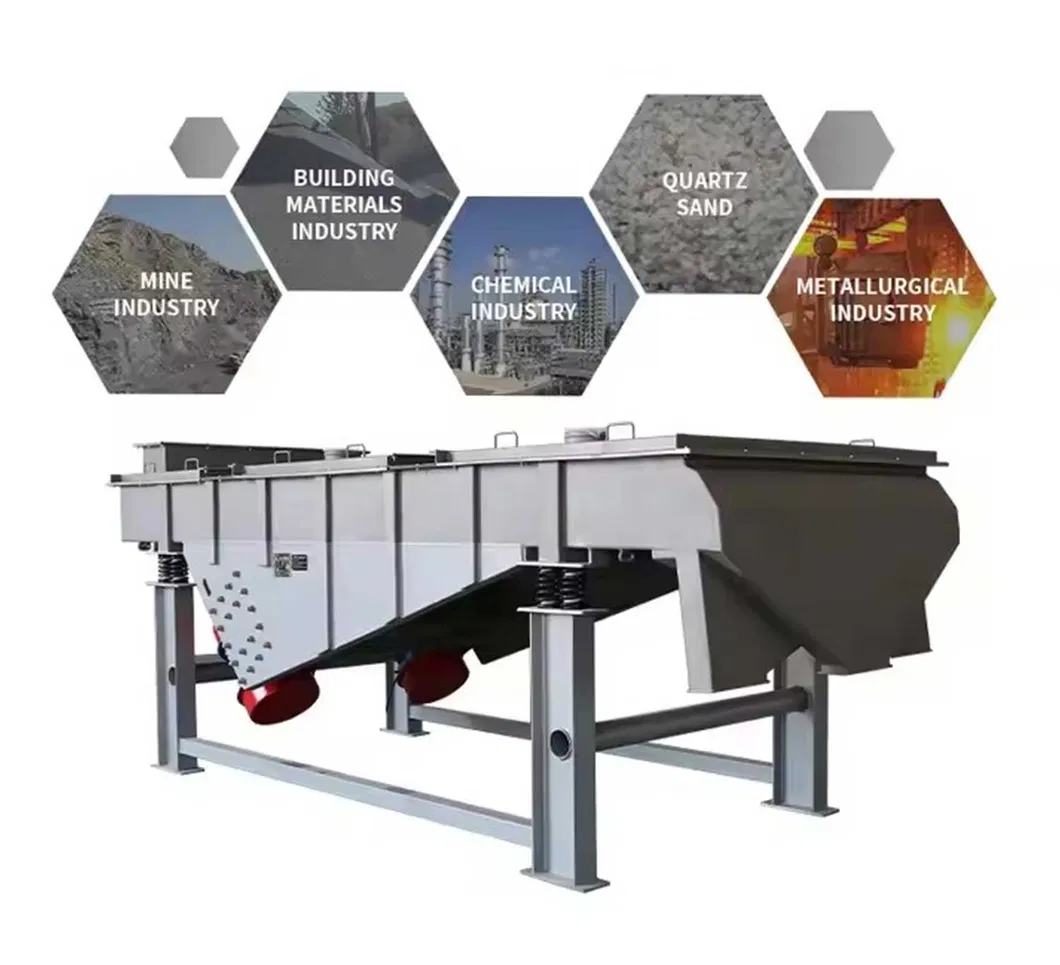
1. Metal powder: aluminum. Metals such as lead, zinc, copper, iron, nickel, alloys, and magnetic materials are powders.
2. Chemical: chemical materials such as resins, plastics, rubber additives, dyes, fillers.
3. Food categories: flour, cocoa, coffee, spices, additives and so on.
4. Screening of various ore powders in minerals and finished products after processing.
5. Grain, corn, beans, sesame and other crops are selected, shelled and misc.
Frequently Asked Questions
What is clay sand and its role in casting production?
Clay sand is a type of core sand configured with clay as a binder. Mechanizing the sand treatment process with this material is an important step in modern casting production.
What is the workflow of a clay sand production line?
It encompasses the entire process of conveying the clay sand, mixing the sand, and integrating it with modeling. A series of coordinated equipment works together to finalize the pouring process after the model setup is complete.
What capacities and molding options are supported by the production line?
The specifications include capacities of 20 tons, 40 tons, 60 tons, 80 tons, 100 tons, and 120 tons. It can be equipped with either horizontal or vertical mold configurations.
How does the semi-automatic molding line casting process work?
It uses clay and an appropriate amount of water as the main binder. Once the sand mold is created, it is directly closed and poured in a wet state (green sand mold casting).
What determines the strength of the green sand mold?
The strength is determined by a specific proportion of clay and water in the molding sand. Once mixed thoroughly, rammed, and compacted, it reaches the required strength to handle molding and pouring successfully.
Which categories of materials are suitable for screening?
Compatible materials include metal powders (aluminum, lead, zinc, copper, iron, nickel, alloys, magnetic materials), chemical substances (resins, plastics, rubber additives, dyes, fillers), foods (flour, cocoa, coffee, spices, additives), ore powders, and crops (grain, corn, beans, sesame).
 JSG Machinery