Product Description
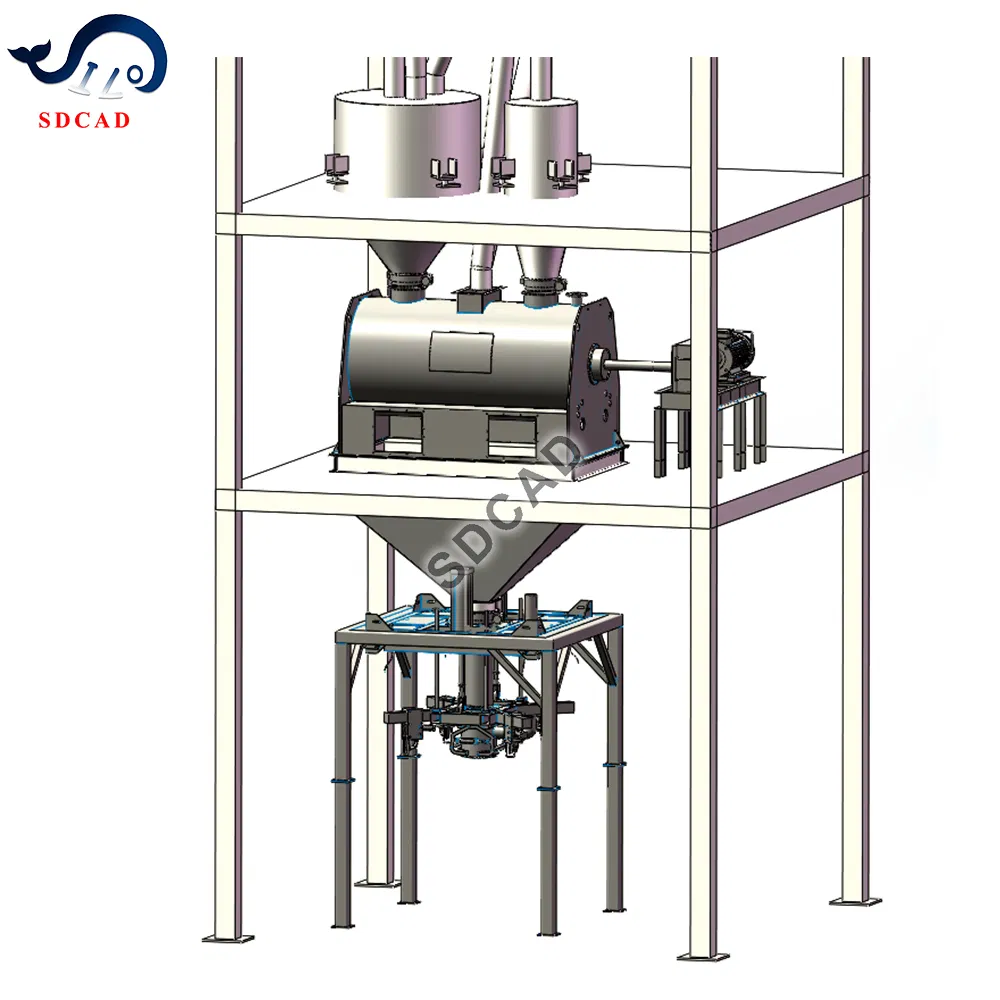
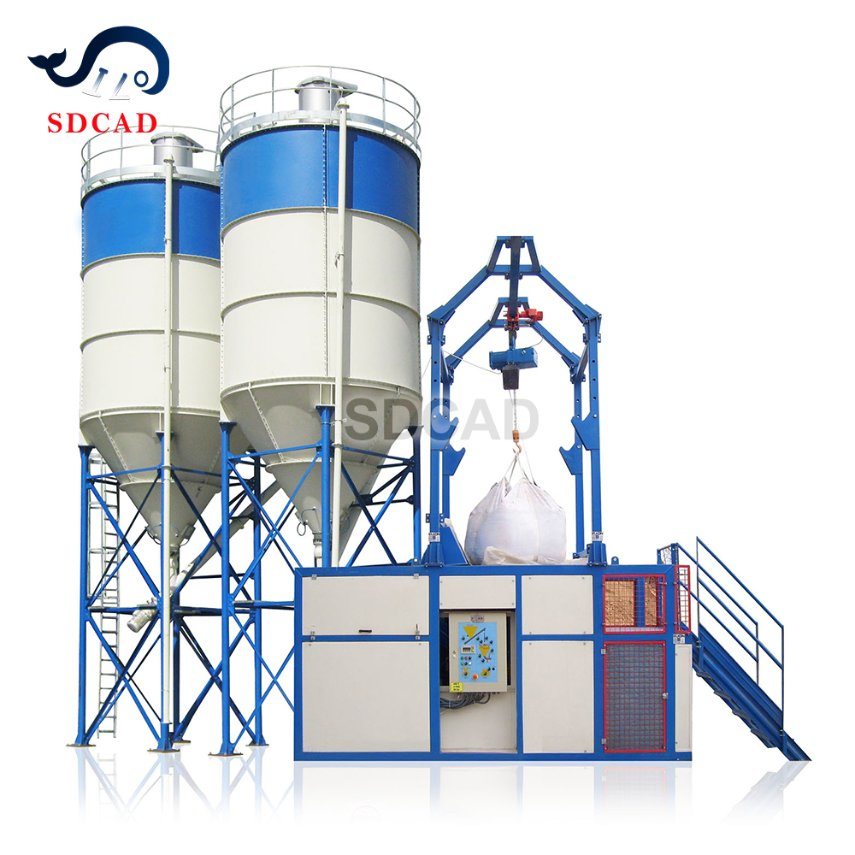
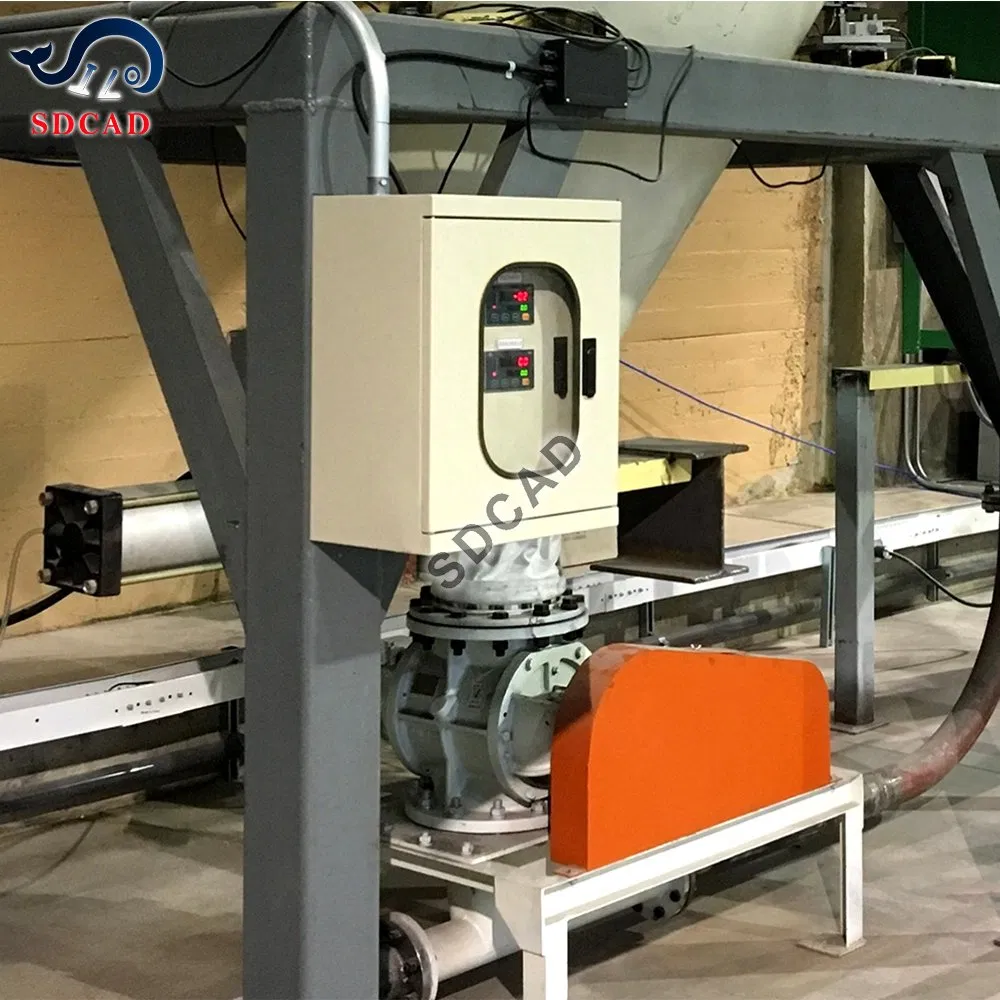
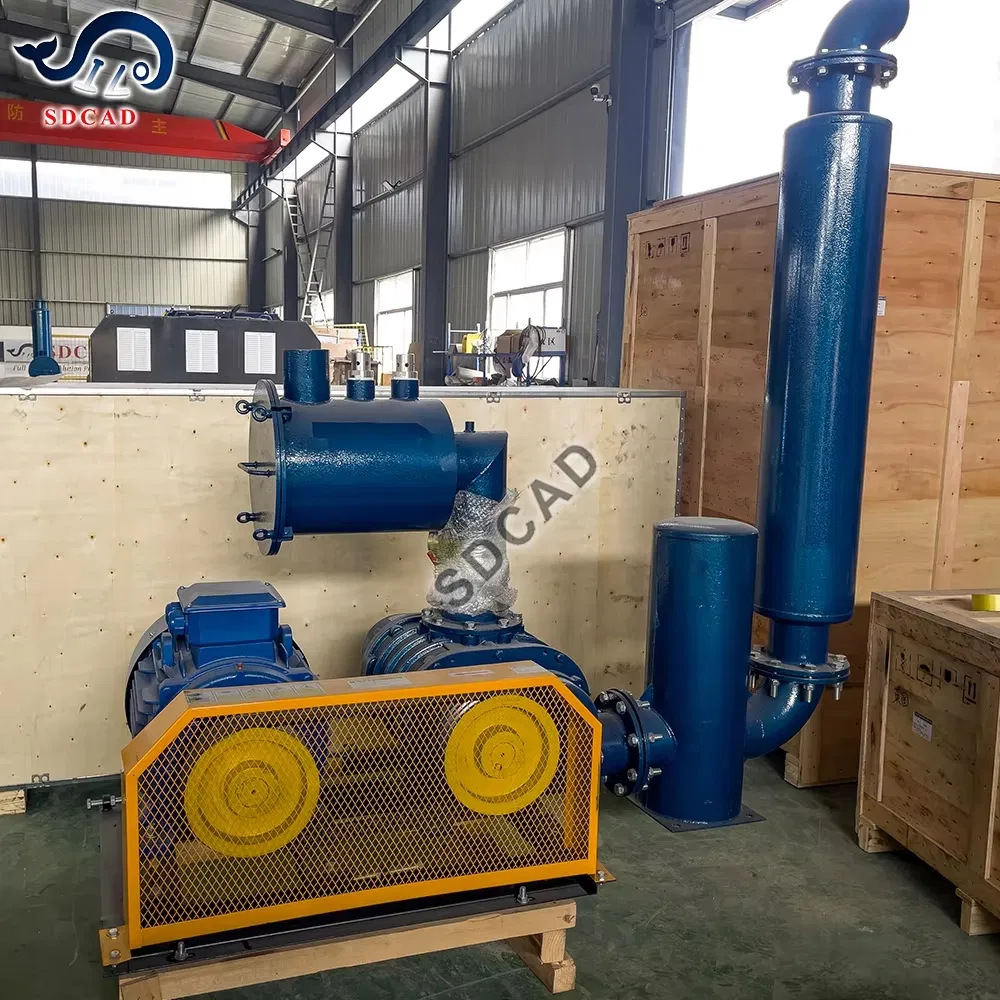
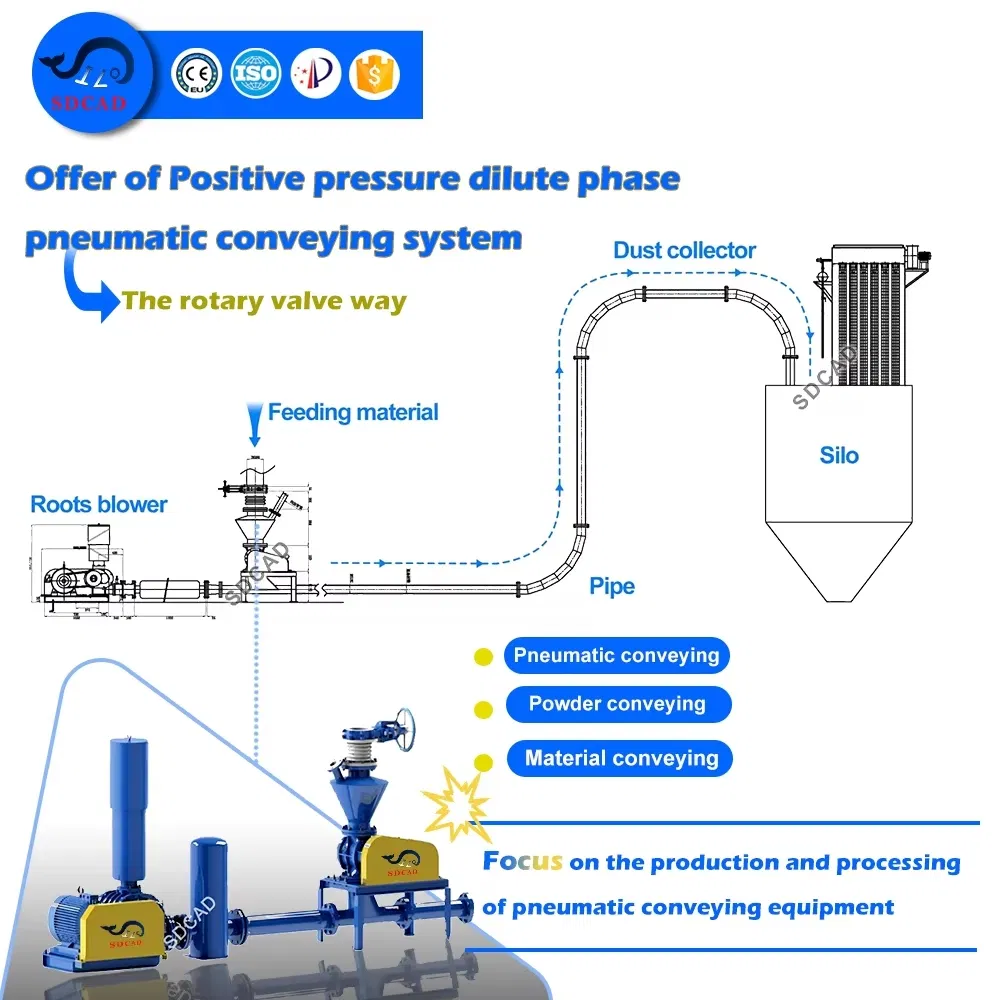
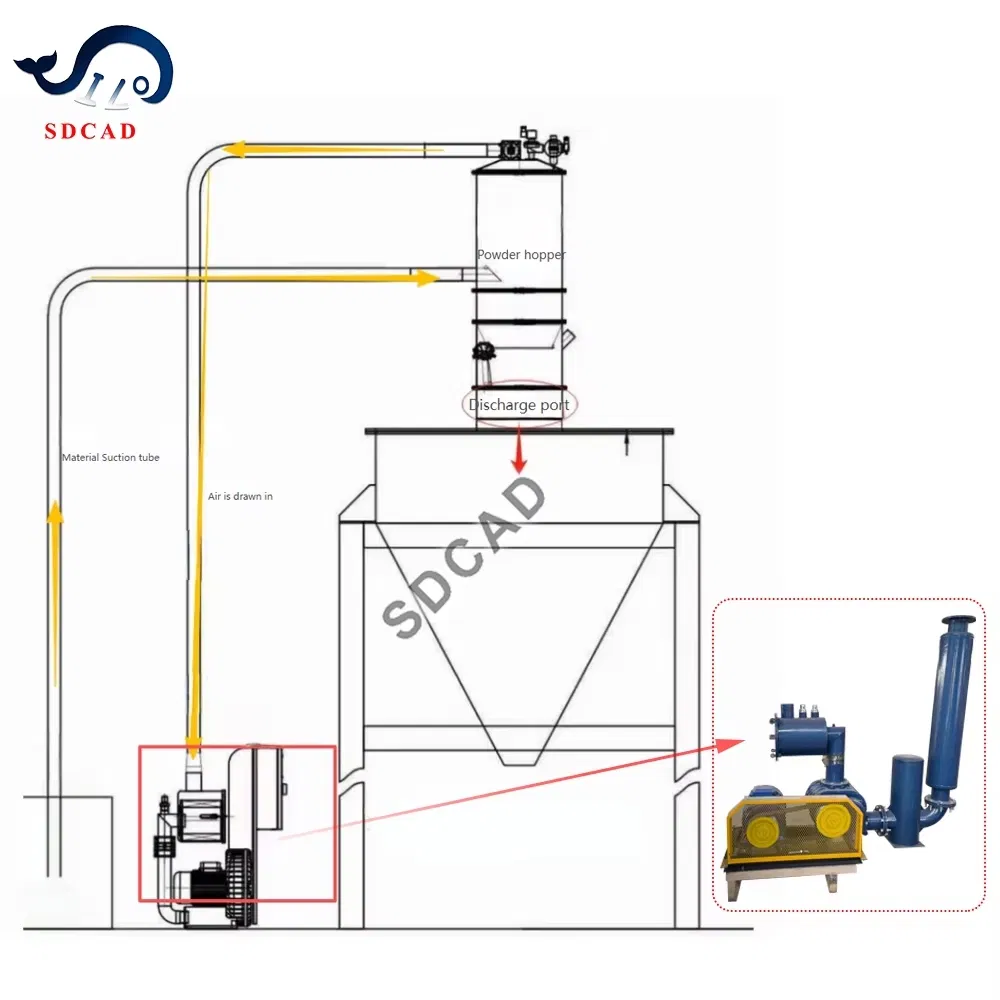
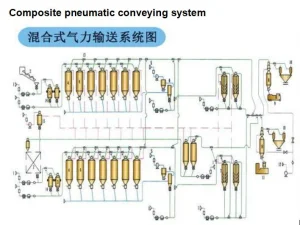
Industries know the importance of pneumatic conveyors in transferring bulk quantities of materials from one place to another. Pneumatic conveying systems are specially designed to hold stream of air and mixture of bulk solid material. A pneumatic conveyor can be classified into two major types according to the mode of transport: dense phase systems (Pressure and Vacuum) or dilute phase systems (Pressure and Vacuum).
📋 Conveying Overview
- Forms: Dilute phase and dense phase.
- Types: Pressure and vacuum modes.
- Applications: Cement, fly ash, starch, sugar, salt, sand, plastic pellets, oats, polymers, lime, soda ash, plastic resin, plastic powder, dry milk, and feeds.
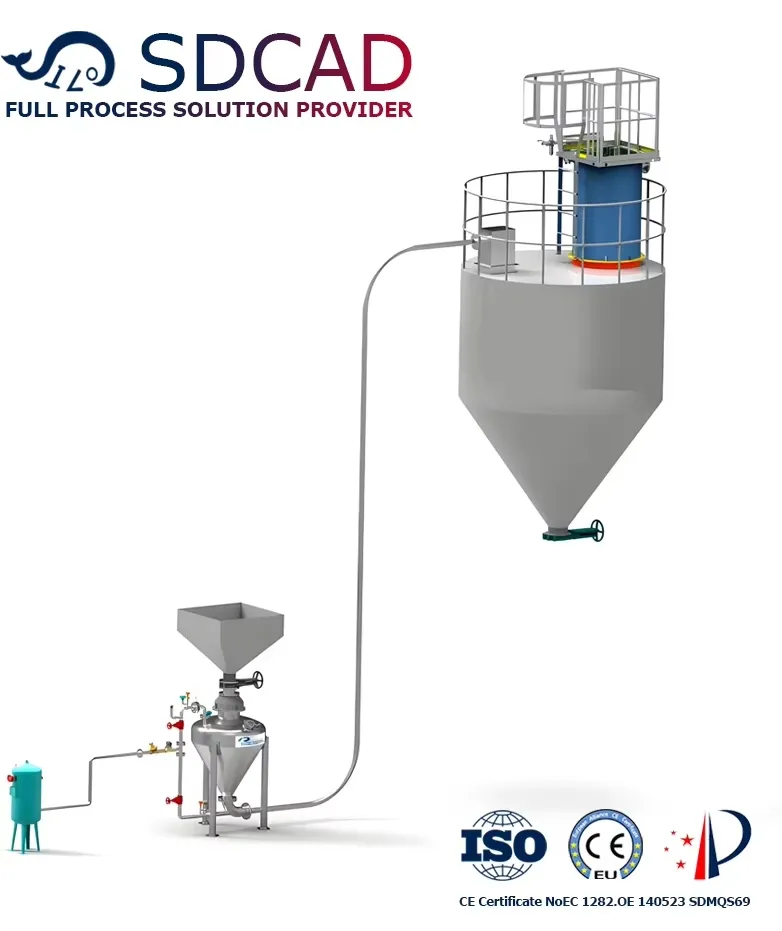
Pneumatic Conveying System Full Process Solution Provider
Compatible Transfer Materials
| Suitable Raw Materials & Dry Bulk Media |
| Flour |
Starch |
Protein powder |
Powdered milk |
Bean cake |
Yuba |
Soybean |
| White sheet |
Soybean meal |
Wheat bran |
Glucose |
Powdered sugar |
Monosodium glutamate |
Lysine |
| Organic acids |
Chocolates |
Gelatin |
Pectin |
Cellulose |
Alkali cellulose |
Malt |
| Cotton powder |
Wheat |
Corn |
Rice |
Rice husk |
Biological enzyme |
Sawdust |
| Cement |
Fly ash |
Mineral powder |
Electrically calcimed coal |
Titanium powder |
Titanium dioxide |
Clay |
| Bentonite |
Kaolin |
Diatomaceous earth |
Aluminium vanadium and soil |
Calcite |
Talc |
Fluorite powder |
| Dolomite fines |
Barite |
Dye |
Soda |
Silicon dioxide |
Borax |
Molding sand |
| Pearl sand |
Magnesia |
Zinc calcine |
Quartz sand |
Micro silicon powder |
Taoli sand |
Iron oxide |
| Magnesium oxide |
Magnesium hydroxide |
Zinc oxide |
Alumina |
Aluminuim powder |
Aluminum scrap |
Sodium chloride |
| Ferrous sulfate |
Barium sulfate |
Vitrified beads |
Plant ash |
Activated carbon |
Limestone |
Lime powder |
| Hydrated lime |
Gypsum powder |
MAFILON |
Calcium carbonate |
Carbide slag |
Pulverized coal |
Petroleum coke |
| Metalurgical coke |
Graphite |
Carbon black |
White carbon black |
Catalyst |
Glass fiber |
Polymer |
| Chemical fertilizer |
Urea |
Melamine |
White carbon black |
Lime nitrogen |
Rubber powder |
Active ammonia |
| Co304 |
SBS |
PET |
MOCA |
PTA |
EPS |
ABS |
| TPU |
BHT |
BOPP |
CPE |
ALF3 |
PVC |
PE |
| PVA |
PP |
MBS |
CMC |
- |
- |
- |
Pneumatic conveyor is a necessarily custom-made conveying system based on product characteristics, particle size, throughput capacity, number of sources, and number of destinations.
Pneumatic Conveying Modes
- Pressure Classification:
- Low Voltage: Below 50 kPa
- Medium Voltage: 50 - 100 kPa
- High Voltage: More than 100 kPa
- Gas Source Layout: Positive pressure, negative pressure, and suction-pressure mixed transportation systems.
- Material Density & Pipe Flow Characteristics:
- Dilute phase suspension dispersive flow: High pipeline wind speed where the material flows in a dispersed, floating state. Representing low-density transport.
- Dilute phase suspension at the end of pipe flow: Lower wind speed close to floating threshold limit, causing material concentration at the pipeline bottom.
- Dense-phase dunes flow: Materials form sand dune-like groups sliding along the bottom. Best suited for fluidization, reducing material breakage and wear compared to suspension.
- Dense-phase plug flow: High concentration plug transfer. Features low gas consumption, high efficiency, minimal pipe wear, and prevents wire-drawing in resin aggregates.
System Parameters
| Project Metric |
Conveying Capacity (t/h) |
Conveying Pressure (kPa) |
Conveying Distance (m) |
Diameter of Conveying Pipe (mm) |
| System Limit Parameter |
≤100 |
≤196 |
≤300 |
≥25 |
Key Advantages
- Versatile Density Compatibility: Outstanding handling of multiple material densities including micro-silica, fly ash, and GGBFS.
- Simplified System Maintenance: Engineered with fewer wear points to drastically lower overall maintenance costs while making inspections and cleaning fast and straightforward.
- Flexible Spatial Routing: Highly adaptable piping layouts designed to clear complex architectural routings. It eliminates bulky bucket elevator systems for structural simplicity.
- Rapid Field Installation: Standardized configurations ensure clean setup and reduced deployment time.
Frequently Asked Questions
💡 What is the main difference between dense phase and dilute phase conveying?
Dilute phase conveying suspends materials in high-velocity airstreams at low density, ideal for non-abrasive materials. Dense phase conveying pushes highly concentrated plugs or dunes of material at lower velocities, dramatically reducing pipeline wear and product degradation.
💡 How customizable are pneumatic conveying systems?
Every pneumatic conveying setup is completely customized. Design choices are tailored to precise chemical and physical product attributes, material grain sizes, required hourly throughput, and the geographical locations of feed points and destinations.
💡 What bulk materials can be transported with this system?
The system is highly versatile and handles starch, sugars, grains, minerals, chemicals like cement, fly ash, bentonite, various plastic resins (PVC, PE, PP), synthetic powders, and granulated raw feeds.
💡 Can this system handle highly abrasive or fragile materials?
Yes, by utilizing dense-phase modes (dunes or plug flow) operating at low wind speeds, abrasive wear is reduced on both piping walls and sensitive materials, making it safer for materials prone to degradation.
💡 How does a pneumatic conveying system improve structural plant design?
Unlike heavy mechanical conveyors and vertical bucket elevators that require straight pathways, pneumatic lines bypass architectural barriers via flexible piping curves. This drastically footprint-minimizes equipment routing and simplifies maintenance.
 JSG Machinery