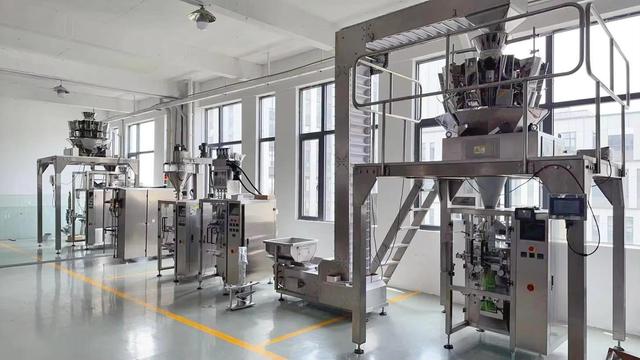
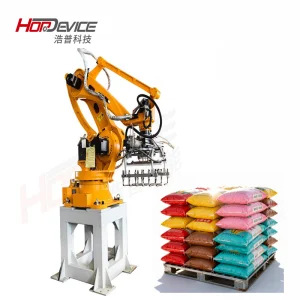
Engineered for maximum reliability, speed, and safety. These core modules integrate seamlessly into production lines across Belgrade, Vojvodina, and regional Serbian industrial zones.
Serbia's manufacturing sector has undergone a profound transformation over the last decade. As foreign direct investment (FDI) continues to stream into the country's key industrial hubs—including Vojvodina, Belgrade, Šumadija, and Western Serbia—enterprises are facing dual pressures: escalating labor shortage dynamics and the mandatory compliance with strict European Union distribution standards. For modern processors in food and beverage, pharmaceuticals, agrochemicals, and automotive components, transitioning to automated End-of-Line (EOL) packaging systems is no longer an optional upgrade, but a fundamental prerequisite for global competitiveness.
This deep-dive industry analysis addresses the structural, economic, and technical realities of implementing EOL packaging automation systems within the Serbian industrial framework. It explores operational considerations, engineering roadmaps, and local compliance requirements that production directors must navigate to secure high-performance, future-proof automation setups.
Serbia sits at a vital geopolitical and logistical crossroads connecting Central Europe, the Balkans, and the Middle East. With major arterial corridors like Corridor X providing seamless transit routes, local factories have become major exporters. However, this export capability demands strict adherence to international palletizing, wrapping, and labeling regulations.
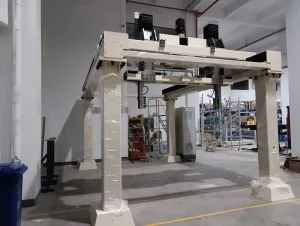
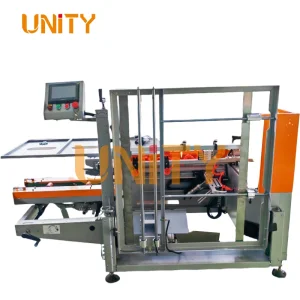
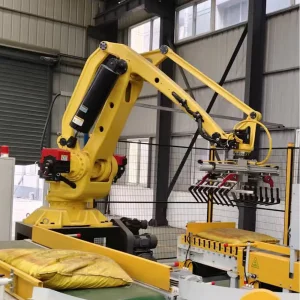
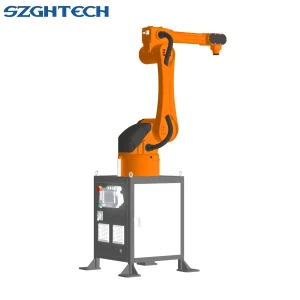
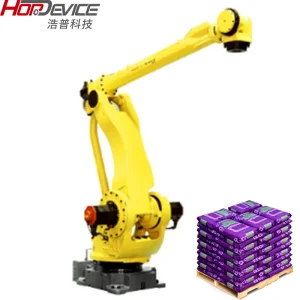
Furthermore, local industries—ranging from the high-yield agricultural and food processing factories in Subotica and Novi Sad, to heavy automotive parts production in Kragujevac—must optimize their floor operations. Manual carton erecting, packing, and palletizing are inherently slow, error-prone, and expose workers to repetitive strain injuries (RSI). Implementing intelligent robotic arm palletizers, automatic gantry systems, and automatic carton open-erectors drastically minimizes human error, stabilizes output rates, and protects operations against volatile labor markets.
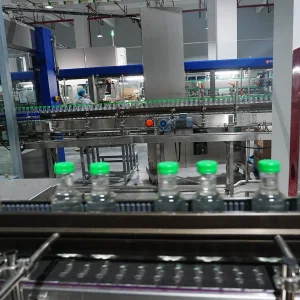
An optimized EOL system is not a single piece of machinery, but a unified ecosystem of mechanical, pneumatic, and electronic processes working in unison. A standard high-performance setup configured for Serbian factories consists of several core building blocks:
| System Parameter | Standard Configuration | High-Output Industrial Grade |
|---|---|---|
| Payload Capability | Up to 50 kg | 100 kg to 500+ kg (Heavy Duty Gantry) |
| Cycle Speed | 10-15 cycles / min | 25-45 cycles / min (Robotic / Multi-head) |
| Control System | Siemens S7-1200 / Allen-Bradley Micro800 | Siemens S7-1500 / Allen-Bradley ControlLogix |
| Pneumatic Controls | SMC / Festo Custom Manifolds | Proportional Valves with IO-Link Feedback |
| Safety Rating | PLd Category 3 | PLe Category 4 (ISO 13849-1 Compliant) |
Modern EOL systems must be capable of bidirectional data communication. Implementing smart sensors, integrated vision inspection systems, and IO-Link-enabled fieldbus architectures allows production managers in Belgrade or Novi Sad to monitor key performance indicators (KPIs) in real time. Remote telemetry support enables engineers located globally to perform diagnostics, update PLC code, and troubleshoot pneumatic profiles without requiring onsite technician intervention, drastically lowering downtime costs.
To successfully integrate automation machinery into Serbian industrial plants, compliance with local safety regulations and European norms is non-negotiable. Systems must be engineered according to the European Machinery Directive (2006/42/EC) and bear valid CE marking. Our systems are delivered with full technical documentation, electrical schematics designed to IEC standards, and PLC interfaces configured in English and Serbian languages. We coordinate with local engineering partners to provide rapid support, field service, and fast response times for essential spare parts.
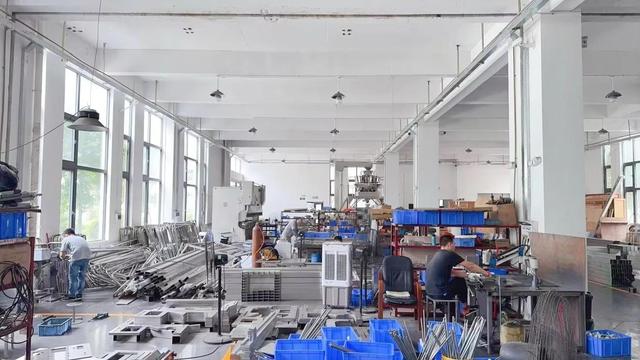
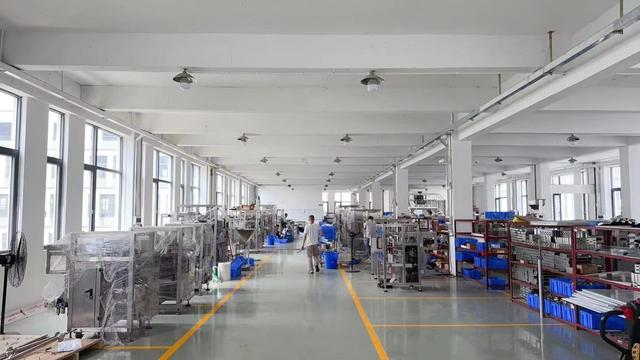
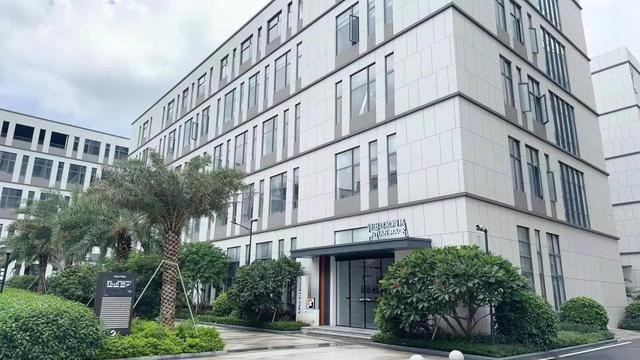
Established in 2010 in Dongguan, Guangdong Province—China's global manufacturing epicentre—Dongguan JSG Machinery Co., Ltd. is a leading specialist in packaging machinery and end-of-line industrial automation. Spanning a modern 20,000 square meter state-of-the-art production facility and staffed by over 220 highly skilled engineers and technicians, JSG designs, constructs, and deploys scalable automated packaging systems worldwide.
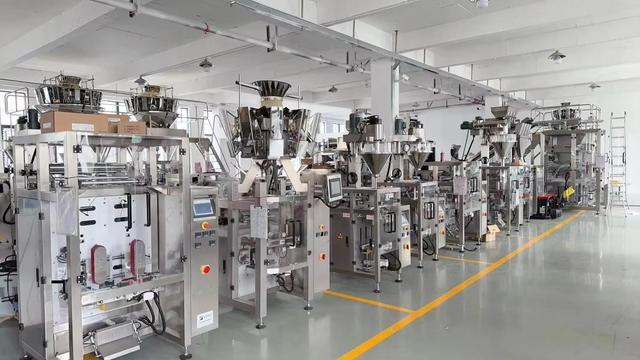
Our capabilities encompass filling machines, automated weighing arrays, vertical form fill seal (VFFS) systems, robotic handling units, SMT conveying equipment, and integrated high-throughput inspection mechanisms. With a dedication to engineering precision, strict quality control processes, and customizable OEM/ODM services, JSG Machinery serves regional manufacturers in North America, Western Europe, and dynamically growing hubs in Eastern Europe, including Serbia.
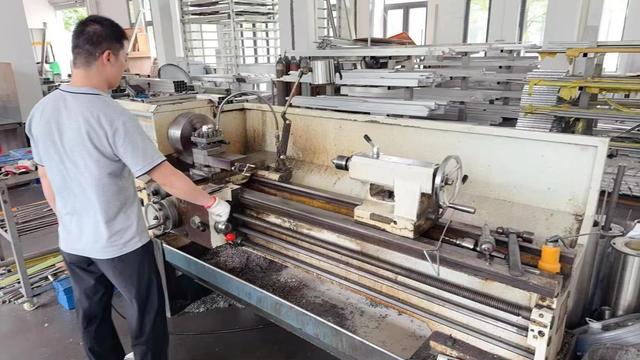
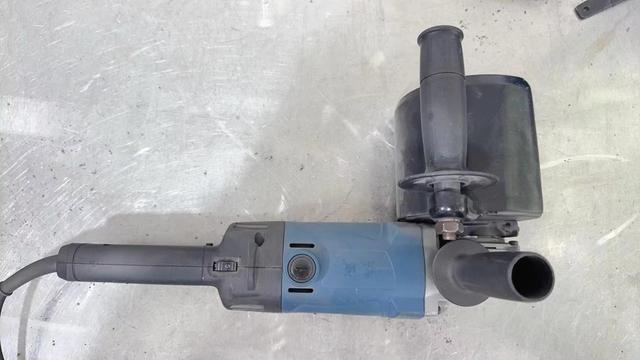
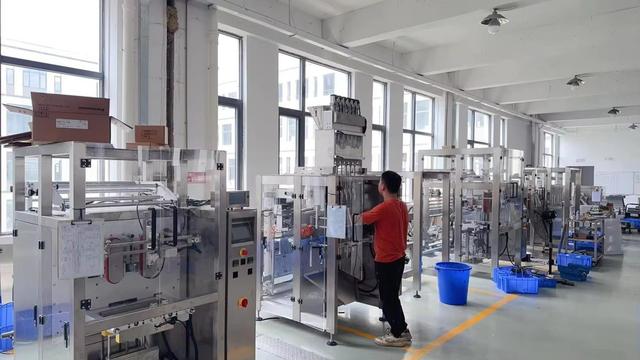
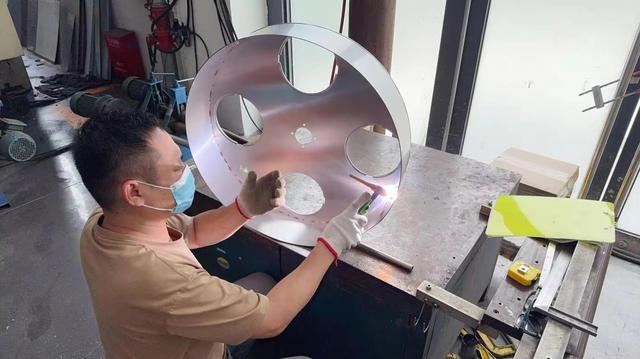

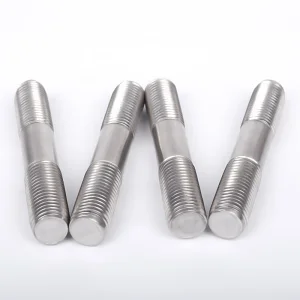
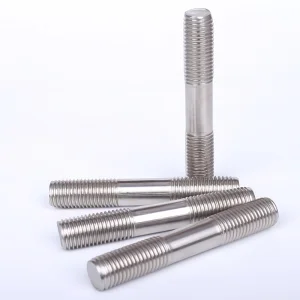
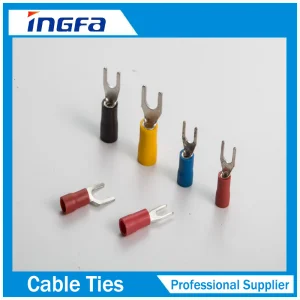
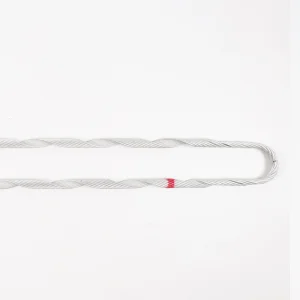
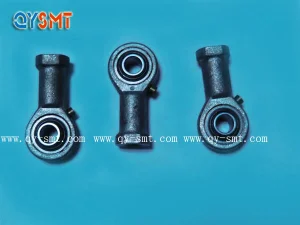
Reliable component infrastructure ensures minimized downtime. Discover high-quality mechanical and electrical fasteners, connectors, and clamps integrated into our machines.
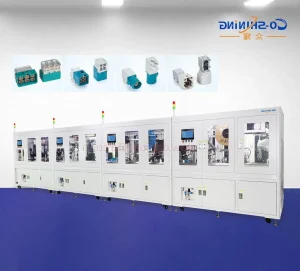
Fully customizable industrial configurations built to optimize handling, material sorting, and precision packing operations for small businesses and large multinationals alike.

Get answers to the most common questions regarding engineering requirements, shipping, local certifications, and custom configurations for the Serbian market.
All machines designed and manufactured by JSG for the European market, including Serbia, conform to the EU Machinery Directive (2006/42/EC), Low Voltage Directive (2014/35/EU), and Electromagnetic Compatibility Directive (2014/30/EU). Every system features CE markings, emergency stop integrations, and dual-channel safety relays or safety PLCs to meet EN ISO 13849-1 (PLd or PLe) requirements.
We coordinate with local mechanical and electrical engineering partners based in Belgrade and Novi Sad to provide physical installation, electrical terminations, and initial testing. During setup, JSG senior automation specialists can travel onsite to manage commissioning, tune PLC/Servo controls, and conduct comprehensive staff training.
Yes. Our standard control panels are built with Siemens S7 series PLCs, allowing native PROFINET, Modbus TCP, or OPC UA communication. This enables real-time extraction of diagnostics, batch counting, and system efficiency data (OEE) into your central manufacturing execution system (MES) or ERP (e.g., SAP, Microsoft Dynamics).
Generally, the complete engineering design, physical assembly, program debugging, and factory acceptance testing (FAT) phase takes 8 to 12 weeks from deposit receipt. Marine shipping from Shenzhen/Guangzhou ports to regional sea gateways (such as Rijeka or Thessaloniki), followed by rail/road transit to Serbia, adds approximately 4 to 6 weeks.
Our systems leverage globally sourced components from leading manufacturers (such as pneumatic modules from Festo/SMC, sensor networks from Sick/Omron, and electrical switchgear from Schneider/Siemens) so parts can easily be sourced locally in Serbia. For proprietary components, we ship via DHL Express directly from our Dongguan logistics hub, which typically arrives in Belgrade within 3-5 business days.
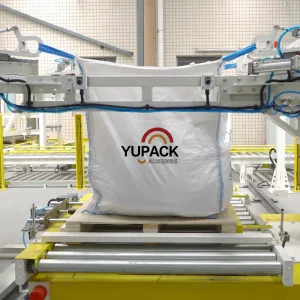
Our machinery is built to process a wide variety of packing materials, including standard corrugated boxes, RSC cases, plastic tote boxes, woven polypropylene agricultural bags, heavy-duty paper sacks, and premium glass jars. We design the gripper and end-of-arm-tooling (EOAT) specifically around your product samples to guarantee secure, damage-free transfer.
 JSG Machinery