Explore high-accuracy, dynamically calibrated weighing solutions and integrated heavy-duty packaging systems engineered for global operational efficiency.
In the highly competitive landscape of modern manufacturing, maintaining rigorous quality control while optimizing throughput is no longer a secondary objective—it is a critical requirement. The shift from manual random testing to 100% inline checkweighing solutions marks a major technological leap. Modern packaging lines operate at unprecedented speeds, necessitating real-time, high-precision measurement capabilities that protect brand integrity and prevent costly regulatory fines.
Globally, manufacturers are subjected to strict trade weight regulations, such as the European Union's Measuring Instruments Directive (MID), OIML R51 guidelines, and FDA CFR Title 21 in the United States. Dynamic checkweighing acts as an essential checkpoint. It goes beyond simple weight checks; it serves as the foundational data source for statistical process control (SPC) and system-wide performance improvements.
By leveraging dynamic filtering, advanced electromagnetic force restoration (EMFR) technology, and strain gauge sensors, high-performance checkweighing systems detect and reject under-filled or over-filled packages in real-time. This eliminates product giveaway, minimizes raw material waste, and ensures full compliance with local packaging standards.
Understanding the engineering demands and regulatory standards required by global procurement executives.
Global enterprises demand adherence to OIML R51 Category Y(a) and Y(b) protocols. Checkweighers must carry type approvals for legal metrology and incorporate secure user access control, data logs, and electronic signature systems consistent with FDA 21 CFR Part 11 regulations.
In food, dairy, and pharmaceutical applications, sanitation is critical. Procurement departments look for IP69K ratings, washdown-grade stainless steel construction (SUS304 or SUS316L), and tool-less quick disassembly structures to reduce sanitization downtime and avoid biological contamination risk.
Modern plants rely on connected automation. Checkweighing controllers must support Ethernet/IP, Modbus TCP, and OPC UA protocols to talk directly to upstream filling systems (enabling closed-loop feedback correction) and downstream sorting, cartoning, or palletizing cells.
How Dongguan JSG Machinery Co., Ltd. integrates advanced design, scale manufacturing, and industrial ecosystems to deliver reliable checkweighing solutions worldwide.
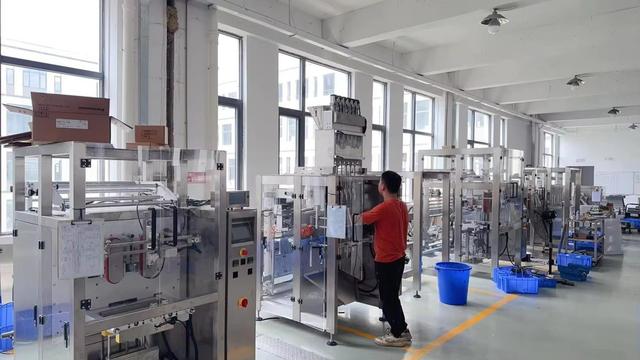
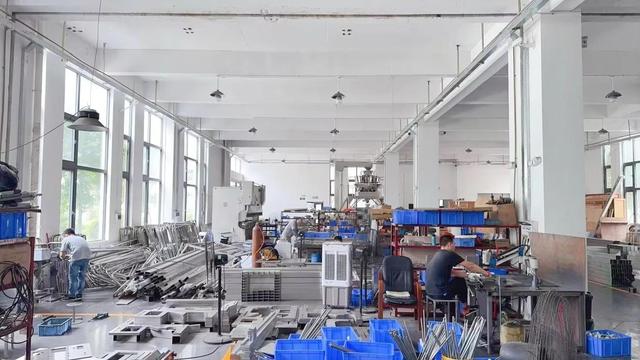
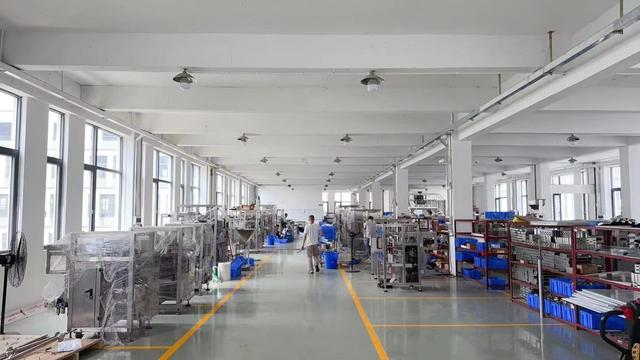
Dongguan JSG Machinery Co., Ltd. is a leading manufacturer specializing in packaging machinery and automated packaging solutions. Established in 2010 in Dongguan, Guangdong Province—a key manufacturing hub in China—the company operates a modern production facility spanning 20,000 square meters and employs over 220 professionals. JSG Machinery has built deep capabilities in engineering design, precision manufacturing, system integration, and global technical support.
JSG’s checkweighing solutions sit at the intersection of precision electronics and robust automation. Because Dongguan possesses a concentrated electronic and mechanical supply chain, JSG can source high-speed processors, load cells, and precision structural metals with minimal logistics delay. This concentration translates into rapid R&D cycles, customized engineering services (OEM/ODM), and competitive pricing structures without compromising component quality.
From precision machining to automated system testing, JSG ensures that all machinery undergoes thorough quality control checks before shipment. The company integrates design, software programming, hardware testing, and factory acceptance testing (FAT) within a single facility to ensure consistency, reliable lead times, and stable performance across international borders.
The technological innovations shaping the future of inline weight monitoring and automated sorting.
As factories scale up line speeds, environmental vibrations become a challenge. Modern DSP microprocessors use adaptive filtering algorithms to isolate the product's actual weight signal from low-frequency structural floor noise, ensuring stable accuracy at higher belt speeds.
Checkweighers are evolving from inspection devices into process regulators. By sending real-time statistical deviations back to upstream multihead weighers, augers, or liquid filling valves, the checkweigher adjusts dosing mechanisms automatically to reduce product giveaway.
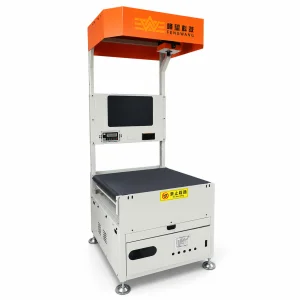
For logistics and e-commerce distribution centers, standard checkweighers are paired with optical barcoding scanners and volume profiling lasers to form Dimension-Weighing-Scanning (DWS) systems. This captures weight, barcode data, and box volume concurrently for sorting and billing.
How dynamic checkweighers and integrated packaging setups handle diverse industry materials and formats.
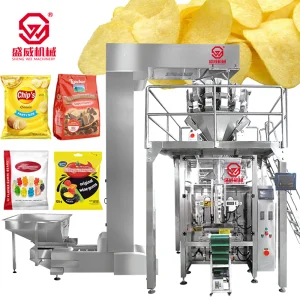
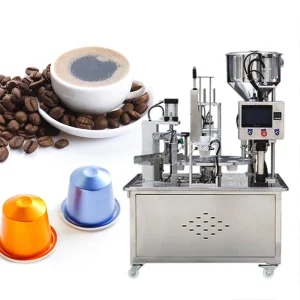
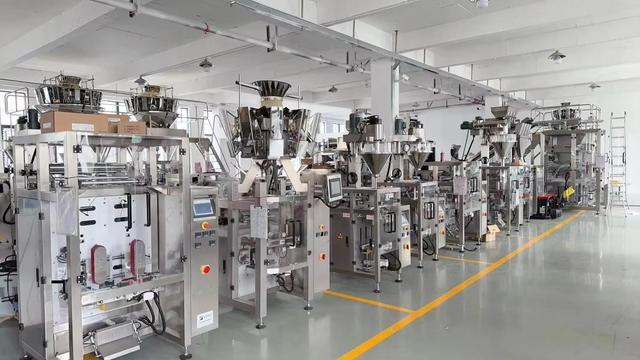
In consumer packaged foods, preventing under-fill is vital for regulatory compliance, while avoiding over-fill directly impacts profit margins. Common setups feature high-speed vertical form-fill-seal (VFFS) bagging lines connected to inline checkweighers with pusher or air-blast reject systems. Dynamic systems handle lightweight snack pouches, coffee capsules, and canned beverages, keeping pace with throughputs up to 150 bags per minute.
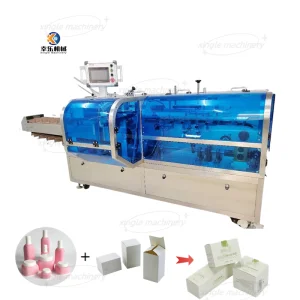
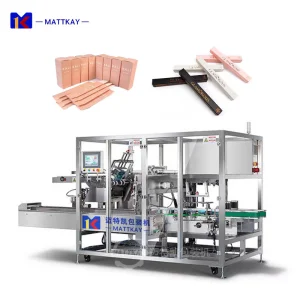
Pharmaceuticals require precise micro-dosage checks. Checkweighing lines monitor lightweight vials, tablets, and bottles to ensure precise ingredient distribution. Integration with fully automatic cartoning machinery ensures that boxes contain the correct product counts, instruction booklets, and packaging configurations. Reject mechanisms must operate smoothly to prevent delicate containers from breaking.
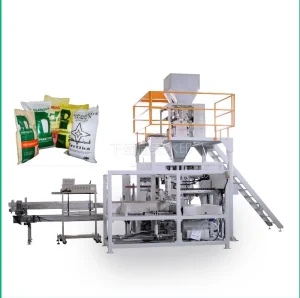
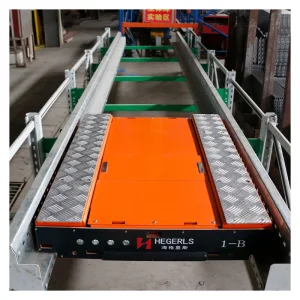
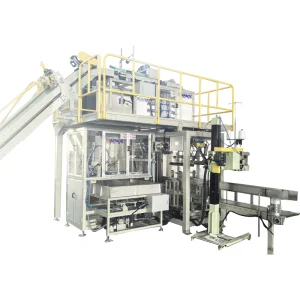
For larger units, such as 20kg to 50kg bags of animal feed, fertilizer, sugar, or building materials, heavy-duty checkweighing conveyors are installed. These systems run on reinforced steel frames and heavy-capacity load cells, monitoring big-bag filling accuracy, verifying secondary baling, and providing product tracking data before automated palletization and shuttle storage.
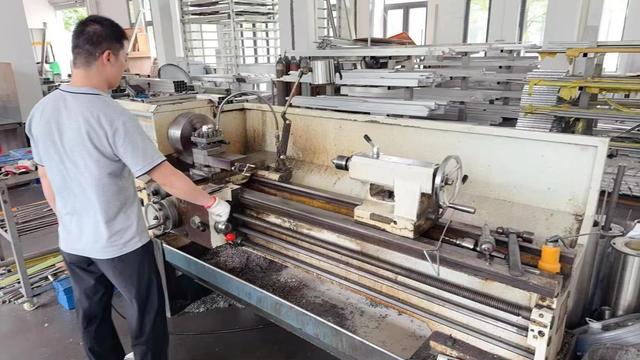
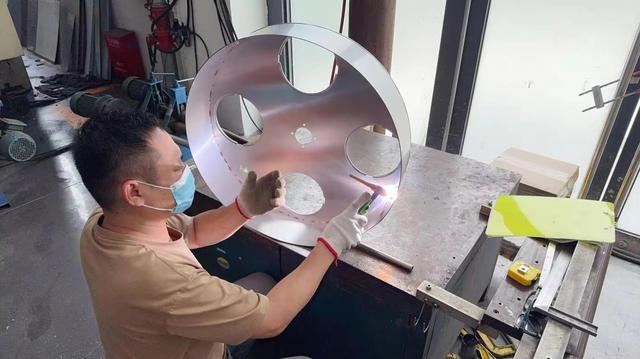
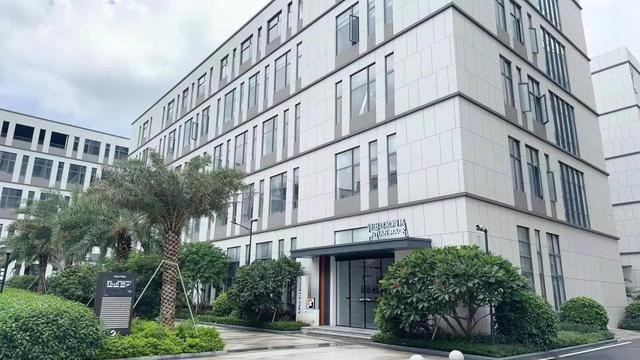
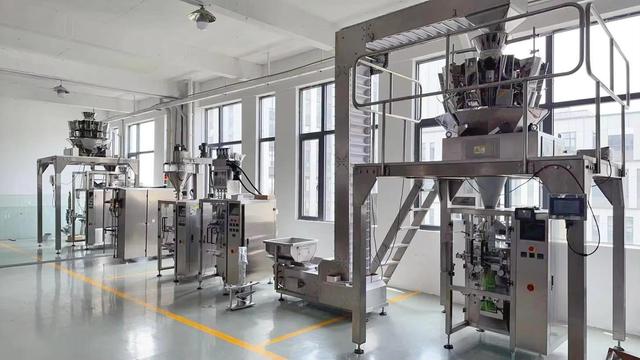
A look inside our 20,000 square meter manufacturing center, testing bays, and assembly lines in Dongguan.

Answers to engineering and metrology questions for dynamic inline inspection equipment.
Dynamic checkweighers employ specialized digital filtering algorithms, including Finite Impulse Response (FIR) and Infinite Impulse Response (IIR) filters. By identifying the frequency signature of plant vibration (typically low-frequency floor oscillations) and separating it from the higher frequency weight signal of the product passing over the load cell, the DSP microprocessor isolates the true static weight equivalent of each package in real-time.
Strain gauge load cells operate via resistance changes in structural foil when loaded, providing a cost-effective solution for lower-speed and medium-to-high capacity lines (e.g., packages above 500g, heavy bags up to 50kg). Electromagnetic Force Restoration (EMFR) systems work on a coil-and-magnet balancing principle, offering faster response times and sub-milligram resolutions (0.01g to 0.1g accuracy limits), making them ideal for high-speed pharmaceutical and light consumer food packaging lines.
The checkweigher’s controller calculates a running average of the package weight over a configurable window (e.g., 10 or 20 packs). If the mean weight begins to drift upward or downward, the checkweigher sends an analog signal (4-20mA) or a digital industrial command (via Modbus/EtherNet) to the filling machine’s PLC, triggering incremental adjustments to the feeder amplitude, target fill volume, or dosing valve timing.
The choice of rejecter depends on package weight and fragility. Air jets are used for lightweight, flexible pouches under 100g at high speeds. Pushers are typical for medium-weight rigid boxes, cans, and cartons up to 2kg. Swing arms or diverter gates are preferred for fragile products (such as glass jars) or unstable bottles to prevent spills or damage, while drop flaps or slide gates are used for thin, flat envelopes.
JSG systems feature software interfaces with step-by-step calibration programs, supporting standard test-weight regimes traceable to ISO standards. Internal log files record all calibration activities, system faults, and settings alterations. These logs can be exported via USB or Ethernet interface to assist with third-party audits, ensuring local operations satisfy regional metrology requirements.
Explore additional automated processing systems and line-integration equipment from JSG Machinery.
 JSG Machinery