Dongguan JSG Machinery Co., Ltd. stands as a titan in the packaging industry. Established in 2010 in the global manufacturing hub of Guangdong, our 20,000 square meter facility houses over 220 experts dedicated to precision engineering. As a CE Certified manufacturer, we don't just build machines; we engineer trust and reliability into every weld and circuit.
With deep expertise in international trade, JSG Machinery provides comprehensive shrink wrapping solutions to North America, Europe, and Southeast Asia. Our systems are designed to meet the rigorous safety and quality standards of global markets, ensuring seamless integration into diverse production environments.
From HFFS Horizontal Packaging to high-speed shrink sleeve labeling, our R&D team focuses on "Information Gain" for our clients—providing data-driven automation that reduces film waste, optimizes energy consumption, and maximizes OEE (Overall Equipment Effectiveness).
In the current post-pandemic industrial era, the demand for secure, tamper-evident, and aesthetically pleasing packaging has surged. Shrink wrapping solutions have evolved from mere secondary packaging to a critical component of brand identity and logistical integrity. Globally, the market is shifting toward Polyolefin (POF) and Polyethylene (PE) films that offer superior clarity and strength while being 100% recyclable.
For multi-national corporations (MNCs), shrink wrapping is no longer just about "wrapping." It is about Logistical Optimization. By tightly securing products, manufacturers reduce the volume of shipping containers, thereby lowering carbon footprints and transit costs. JSG Machinery's CE-certified systems are at the forefront of this shift, providing the mechanical precision required for high-tension, low-gauge film applications.
The next decade of packaging automation will be defined by three pillars:
When B2B procurement officers at Fortune 500 companies evaluate a Shrink Wrapping Solution, they look beyond the sticker price. The primary metric is Total Cost of Ownership (TCO). This includes:
Downtime in a high-speed beverage line can cost thousands of dollars per minute. Our machines use Schneider PLC systems and Omron sensors to ensure 99.9% uptime.
Precise seal bar control reduces the "apron" waste of film, saving up to 15% in material costs annually.
With CE Certification, our equipment meets European health, safety, and environmental protection standards, facilitating easier insurance and safety audits.
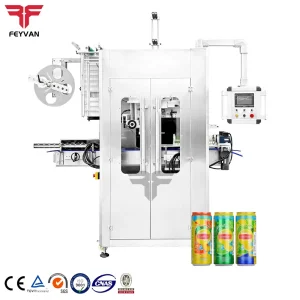
JSG Machinery employs a technical route focused on Modular Scalability. Our Automatic Shrink Sleeve Labeling machines, for instance, utilize a cantilevered design that allows for rapid changeovers between different bottle sizes (e.g., from beer cans to cosmetic jars) in under 15 minutes.
Our heat tunnels utilize Laminar Airflow Technology. Unlike traditional "hot box" tunnels that can cause uneven shrinking or "fish-eyes" on the film, our systems circulate air in a 360-degree pattern, ensuring a glass-like finish on every product. This level of detail is why we are the preferred manufacturer for high-end consumer goods exporters.
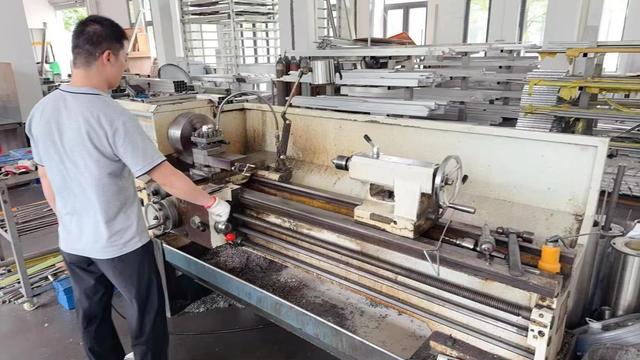
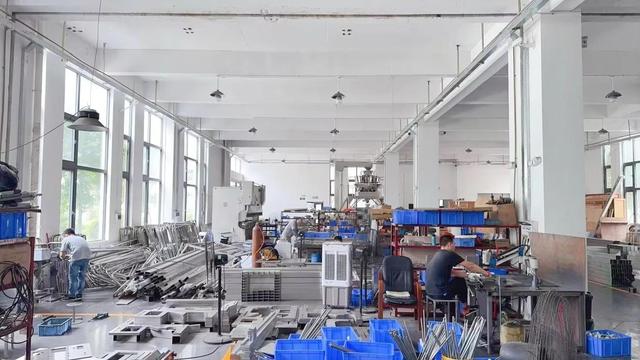
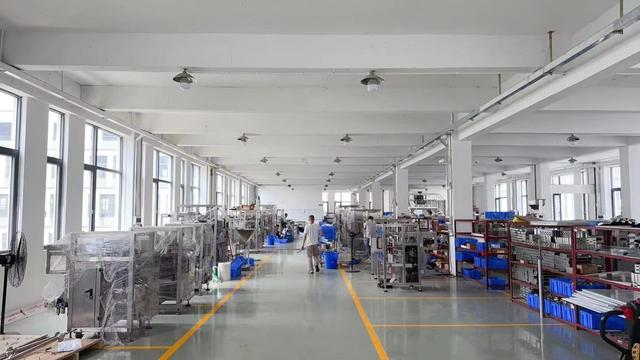
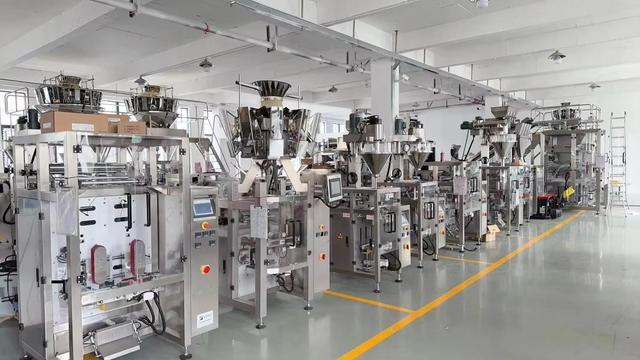
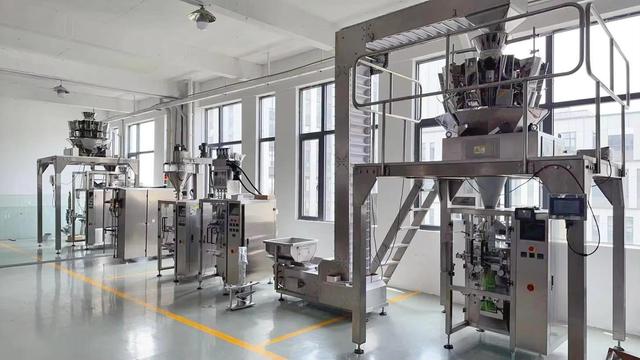
Inside our 20,000 sqm modern machining center in Dongguan.
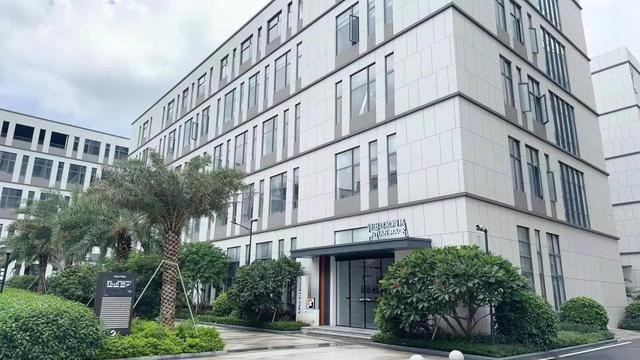
Located in Dongguan, our factory serves as a global hub for packaging innovation. We provide Localization Support that goes beyond shipping a box. For our international clients, we offer:

CE certification ensures the machine complies with EU safety directives (Machinery Directive 2006/42/EC). For exporters, this means no customs delays and a guarantee that the equipment meets high safety standards for operators.
Yes. Our latest thermal control systems are calibrated to handle the narrow temperature windows required by PLA and other bio-sourced films, preventing "burn-through" while maintaining seal integrity.
Most of our clients see a full return on investment within 12-18 months through labor reduction, decreased film wastage, and higher throughput speeds compared to semi-automatic solutions.
Our systems feature self-lubricating components and modular blade assemblies. Daily maintenance typically takes less than 10 minutes, focusing on cleaning the optical sensors and checking film tension.
 JSG Machinery