In 2026, the question remains: how does smart packaging technology work? This innovative approach has evolved significantly. Its main applications cater to various industries. From food safety to pharmaceuticals, smart packaging enhances product integrity.
Smart packaging uses sensors and indicators. These elements provide real-time data to consumers and businesses. For example, packaging that changes color may signal spoilage. This functionality illustrates how technology merges with consumer needs. Companies gain insights into supply chains, improving efficiency and transparency.
Despite its advantages, challenges persist. Not all smart packaging is universally accepted. Different regulations and consumer awareness play a role. Understanding how does smart packaging technology work requires a closer look at both its benefits and limitations. As we advance, continuous evaluation is essential for responsible implementation.
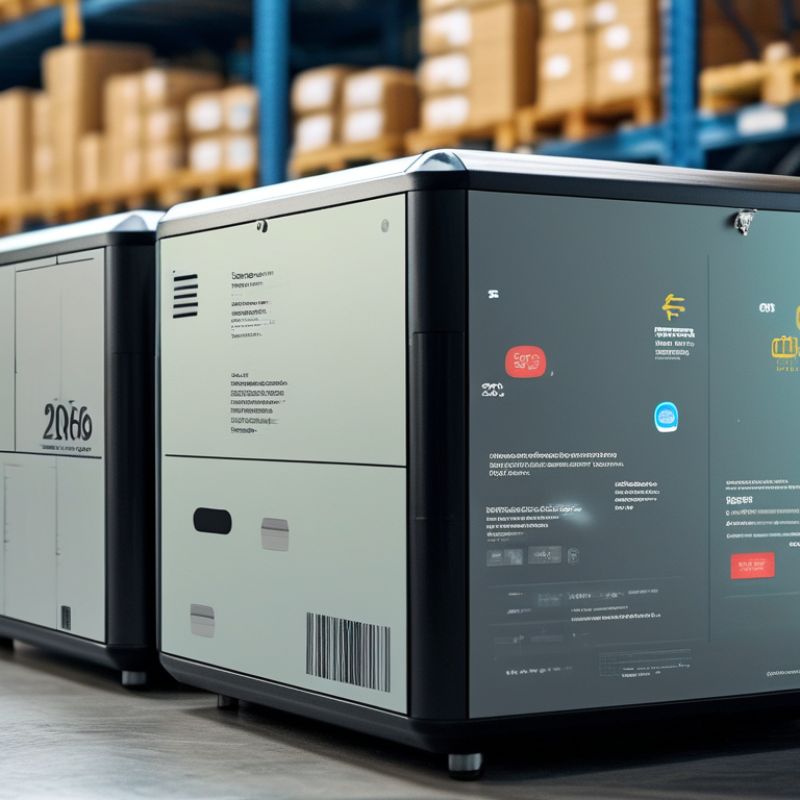
The evolution of smart packaging technology by 2026 is fascinating and transformative. As consumer demands grow, companies are adopting smarter solutions. A recent study projects that the global smart packaging market will reach $48 billion by 2026, driven by innovations in sensors and data analytics. This shift focuses on enhancing food safety, sustainability, and user engagement.
Smart packaging uses various technologies, including RFID and QR codes, to improve product tracking. These features allow consumers to access detailed product information, promoting transparency. According to industry reports, 57% of consumers prefer packaging that offers additional information. Yet, the technology is not without challenges. Data privacy concerns arise as more brands collect user data through connected packaging. Brands must balance innovation with consumer trust.
When considering smart packaging solutions, focus on functionality. Evaluate whether the technology genuinely adds value to consumers. Watch for trends in sustainability, as eco-friendly materials are becoming increasingly important. Adjustments may be needed to meet regulatory standards. As businesses embrace smarter packaging, they should be aware of the potential need for ethical data practices and continuous innovation in their strategies.
Smart packaging technology is transforming packaging solutions in 2026. Key innovations include augmented reality (AR) features and enhanced tracking systems. According to a recent report from Smithers Pira, the smart packaging market is projected to reach $41 billion by 2026. This rise is driven by heightened demand for convenience and sustainability.
One fascinating aspect of smart packaging is its ability to engage consumers. AR-enabled packaging allows users to scan products for interactive content. This can enhance the shopping experience significantly. Accessibility is vital, but many packaging designs still lack user-friendly features. There is a need for improvement in how products are presented digitally.
Moreover, smart sensors can monitor freshness. They provide real-time data on temperature and humidity. This technology is crucial for perishable goods. However, not all producers adopt these systems due to cost constraints. A balance between investments in innovation and maintaining affordability remains a challenge. Ultimately, the evolution of smart packaging technology holds immense potential for improving product safety and customer engagement.
| Feature | Description | Benefits | Application Areas |
|---|---|---|---|
| QR Codes and Barcodes | Machine-readable codes that provide product information and verification. | Enhances traceability and reduces fraud. | Retail, Pharmaceuticals, Logistics |
| Temperature Monitoring | Sensors that track and report temperature changes and storage conditions. | Ensures product safety and quality. | Food, Pharmaceuticals |
| NFC and RFID Tags | Near-field communication and radio frequency identification for quick data access. | Improves inventory management and reduces losses. | Fashion, Electronics, Food |
| Smart Labels | Labels that can change color or display messages based on conditions. | Indicates spoilage or alerts customers. | Food, Medicine |
| Biodegradable Materials | Eco-friendly packaging materials that break down naturally. | Reduces environmental impact and waste. | Food, Consumer Goods |
| Digital Packaging | Interactive packaging that engages customers through digital interfaces. | Enhances customer experience and brand loyalty. | Beauty, Electronics |
Smart packaging technology is evolving rapidly, particularly in the realm of sensors and IoT. This advanced packaging can monitor and communicate real-time data from products. In 2026, estimates suggest the smart packaging market will reach approximately $40 billion globally. This exponential growth is driven by increasing consumer demand for transparency and freshness.
IoT-enabled sensors provide essential functionality. They can track temperature, humidity, and even the location of products. In a recent report, 70% of businesses indicated that real-time monitoring through IoT is crucial for reducing losses and ensuring quality. These innovations help brands maintain integrity and manage supply chains more effectively. However, the integration of these technologies is challenging. Not all companies can afford the necessary infrastructure or training.
Moreover, while smart packaging offers significant advantages, it also raises concerns. Data privacy and security issues cannot be overlooked. Brands must tread carefully to protect consumer information while providing improved product experiences. Balancing technology and ethics is necessary as industries continue to innovate. The landscape of smart packaging is promising, yet it requires continuous evaluation and adaptation.
In 2026, smart packaging technology continues to evolve, making significant strides across various industries. In the food sector, intelligent packaging with temperature sensors has reduced spoilage rates by 30%. These sensors notify consumers and retailers about temperature fluctuations, ensuring product safety. Enhanced visibility into food freshness helps reduce waste, a pressing concern as approximately 1.3 billion tons of food is wasted globally each year.
Pharmaceutical companies are also leveraging smart packaging. Tamper-evident seals and QR codes provide authentication and traceability. A report from the World Health Organization shows that falsified medicines account for about 10% of medicines in low- and middle-income countries. Smart packaging combats this issue, increasing consumer confidence and safety. In 2026, around 40% of pharmaceutical companies use digital tracking innovations to improve compliance with regulations and strengthen supply chain integrity.
Smart packaging is not without its challenges. High costs and limited consumer awareness can hinder adoption. Some industries may feel skeptical about the return on investment. However, innovative partnerships between technology providers and industry players are emerging. These collaborations aim to develop cost-effective solutions that benefit all stakeholders, enhancing the overall efficiency of supply chains.
The landscape of smart packaging technology is rapidly evolving as we step into 2026. Industry analysts predict that the global market will reach USD 500 billion by 2026, reflecting a compound annual growth rate (CAGR) of over 10%. This growth is largely driven by innovations in sensory technology, which monitors product conditions in real-time. Such capabilities enhance supply chain transparency and reduce waste, yet pose challenges in standardization across various industries.
However, integrating advanced technologies can be daunting. While 70% of companies report investing in smart packaging, many struggle with the integration of IoT capabilities. The complexity of merging software and hardware can lead to implementation delays. Additionally, there is an ongoing challenge in data security, as smart packaging generates vast amounts of information that must be protected from cyber threats. Balancing innovation with security is critical, as 40% of businesses express concerns over data privacy in packaging solutions.
Moreover, consumer acceptance remains an unpredictable factor. While many people appreciate the convenience of smart features, others remain skeptical about their usefulness. Surveys indicate that only 55% of consumers are willing to pay more for products with smart packaging. Companies must navigate these perceptions carefully. Engaging consumers will be essential to move forward in a market that is both promising and fraught with hurdles.
: Smart packaging uses sensors and IoT to monitor and communicate real-time data about products.
They track temperature, humidity, and product location, ensuring quality and reducing losses.
It has decreased spoilage rates by 30%, promoting food safety and reducing waste.
They enhance safety and authenticity, especially in the pharmaceutical sector.
High costs and the need for infrastructure can be significant barriers to adoption.
It is critical, as brands need to protect consumer information while using technology.
Concerns about return on investment and limited consumer awareness may contribute to hesitance.
Approximately 1.3 billion tons of food is wasted every year.
Around 40% of pharmaceutical companies adopt digital tracking innovations for compliance.
Yes, collaborations are emerging to develop cost-effective smart packaging solutions.
Smart packaging technology has significantly evolved by 2026, integrating advanced features and innovations that enhance its functionality. A critical aspect of this evolution is how does smart packaging technology work, utilizing sensors and the Internet of Things (IoT) to provide real-time data and improve user experience. These technologies enable packaging to communicate with consumers, monitor product conditions, and ensure safety and freshness.
The applications of smart packaging span various industries, including food, pharmaceuticals, and cosmetics, where they improve logistics and enhance consumer engagement. Looking ahead, future trends indicate a continued push towards sustainability, better user interactivity, and addressing challenges such as data security and integration within existing systems. As smart packaging continues to develop, it promises a transformative impact on how products are delivered and experienced by consumers.
JSG Machinery