In 2026, understanding "how long does packaging machinery last" is crucial for businesses aiming to optimize operations. Industry reports indicate that the lifespan of packaging machinery typically ranges from 10 to 20 years, depending on various factors such as usage, maintenance, and technology advancements. According to a recent study by the International Packaging Association, around 30% of companies experience performance declines within the first five years.
Investment in high-quality machinery can lead to extended durability. Yet, even the best equipment may require upgrades or replacements to meet changing market demands. For instance, packaging lines that run continuously often show wear and tear more rapidly. Regular maintenance becomes essential in maximizing longevity.
Additionally, the emergence of smart packaging technologies introduces variability in lifespan. Innovations may enhance productivity, but they also demand regular updates. Companies must remain flexible and adaptive to new challenges. Hence, understanding the true longevity of equipment fosters informed decision-making, ultimately influencing profitability. Reflecting on machinery investment strategies may reveal overlooked opportunities for efficiency improvements.
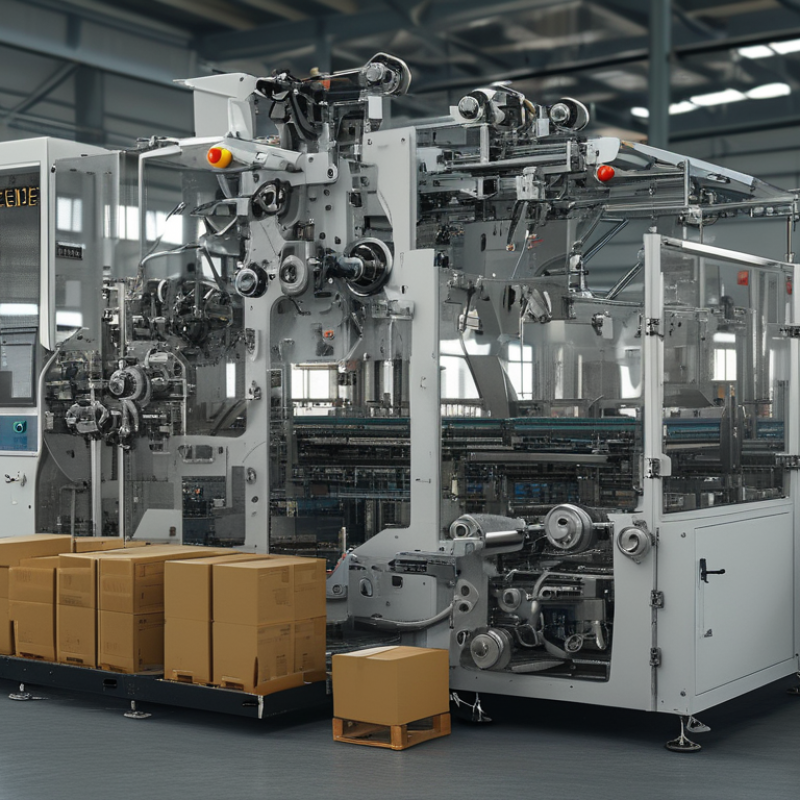
The longevity of packaging machinery in 2026 is influenced by several key factors. First, maintenance practices play a significant role. Regular inspections and timely repairs can extend the machinery's life. Operators must be trained to detect early signs of wear and tear. This proactive approach helps avoid costly downtime.
Additionally, the type of products being packaged affects machinery durability. Heavy or abrasive materials may result in more wear. Choosing the right machinery for specific products is essential. A mismatch can lead to frequent breakdowns. Environmental conditions also impact longevity. Dust, moisture, and temperature extremes can degrade machinery over time. Companies should invest in appropriate housing and protective measures to counteract these factors.
Lastly, technological advancements shape equipment lifespan. While newer machines offer efficiency, they may require specific training to operate optimally. This adaptation period can cause initial challenges. Balancing innovation with reliability is vital. Equipment that is well-suited to the production environment is crucial for lasting performance. As businesses evolve, understanding these variables will guide effective investments in packaging machinery.
: Maintenance practices, product type, environmental conditions, and technological advancements play significant roles.
Regular inspections and timely repairs can help detect issues early, avoiding costly downtime.
Heavy or abrasive materials can cause more wear. Mismatched machinery can lead to frequent breakdowns.
Dust, moisture, and extreme temperatures can degrade machinery over time.
Investing in appropriate housing and protective measures can help counteract these environmental factors.
Newer machines often offer efficiency, but they may require specific training, causing initial challenges.
Companies are prioritizing eco-friendly materials and energy-efficient machinery to enhance recycling efforts and reduce waste.
Modular machines can be easily updated or repaired, supporting sustainability and reducing frequency of replacements.
Training staff on new systems can be difficult, even as innovation is essential for improved efficiency.
It involves addressing both challenges and opportunities, requiring commitment and resources over time.
In addressing the question of how long does packaging machinery last, various factors contribute significantly to its longevity. Maintenance practices, such as regular inspections and timely repairs, play a crucial role in extending the lifespan of different types of packaging equipment. Additionally, advancements in technology enhance the durability of these machines, often incorporating more efficient materials and smart features designed for longevity.
Looking towards the future, trends in packaging machinery are increasingly focused on sustainability, which not only aims to improve operational efficiency but also enhances durability. As companies prioritize eco-friendly solutions, the design and manufacturing of packaging machinery will continue to evolve, potentially leading to longer-lasting equipment. In summary, understanding the influences on packaging machinery lifespan and implementing best practices can help determine how long packaging machinery lasts in the evolving landscape of 2026.

 JSG Machinery