Understanding which industries utilize packaging machinery is crucial for businesses aiming to improve efficiency. Various sectors depend heavily on these machines for their operations. The key question is: what industries use packaging machinery?
Food and beverage is one prominent industry. It requires precise packaging to maintain product quality. Pharmaceutical companies also rely on packaging machinery for compliance and safety. Consumer goods, including cosmetics and household products, utilize these machines for branding and convenience.
Identifying these industries can offer insights into market trends. However, it is essential to approach this analysis critically. Not every business in these sectors will invest in advanced machinery. Additionally, some may prefer manual processes for specific product lines. Thus, thorough research and expert guidance are necessary for a proper understanding.
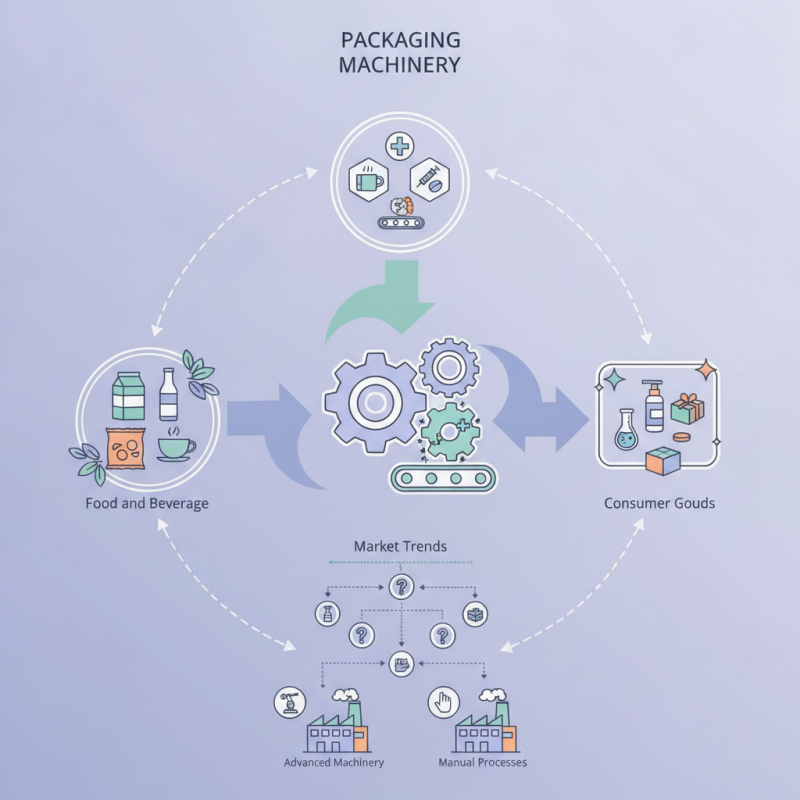
Packaging machinery plays a vital role in several industries. This includes food and beverage, pharmaceuticals, and cosmetics. Each sector has unique packaging needs. For example, food packaging must ensure safety and freshness. In contrast, cosmetic packaging may focus on aesthetics and branding. Understanding these nuances helps identify which industries rely heavily on packaging machinery.
Tips: Research industry trends. Look for innovations in packaging technology. This can indicate growth areas. Join industry forums and discussions. This allows you to see firsthand the machinery and needs in various sectors.
In the food industry, machines are designed to maintain hygiene. The same is crucial in pharmaceuticals, where packaging ensures product integrity. Observing these applications reveals the importance of efficient machinery. Even smaller businesses may struggle to find the right equipment. They often face budget constraints and logistical challenges, which can make their choices limited.
Tips: Attend trade shows to witness machinery presentations. Networking with suppliers can bring clarity to available options. Evaluate feedback from different industries. This can help in understanding the broader implications of packaging machinery on production success.
When identifying industries that utilize packaging machinery, it’s important to consider their unique requirements. The food and beverage industry stands out. Companies in this sector require machinery that ensures safety and preserves freshness. High-speed fillers, sealers, and labelers are commonly used. These machines must meet strict health regulations.
The pharmaceutical industry also heavily relies on packaging equipment. This industry demands precision and compliance. The machinery must handle various types of containers and maintain sterile conditions. Meeting these needs can be challenging. Not all machinery can achieve the level of reliability required for pharmaceuticals.
Lastly, the consumer goods sector has diverse needs. Packaging for personal care products often focuses on aesthetics. Machinery must create appealing designs while being efficient. These industries reveal a complex landscape. Each has specific needs and challenges, reflecting the diverse nature of packaging requirements.
As industries evolve, the demand for packaging machinery grows. Various sectors like food and beverage, pharmaceuticals, and cosmetics increasingly rely on advanced packaging solutions. This trend is fueled by consumer preferences for convenience and sustainability. Companies are investing in automation and efficiency to meet these needs.
Tips: Focus on understanding your target market. Identify which industries are expanding. Research their packaging requirements. Analyze consumer behavior trends to provide tailored solutions.
Emerging technologies also play a role in shaping the market. Robotics and AI are enhancing production lines. However, businesses face challenges in keeping up with rapid advancements. Some may overlook the importance of training staff on new equipment. Ongoing education ensures optimal machinery use and maintenance. Prioritizing this can enhance long-term reliability and efficiency.
Tips: Stay informed about technological advancements. Attend industry conferences. Engage with experts to adapt to changing market conditions. Regularly review your operations to identify areas for improvement. This approach fosters growth amidst constant change.
| Industry | Market Size (USD Billion) | Growth Rate (%) | Key Drivers |
|---|---|---|---|
| Food and Beverage | 50 | 5.5 | Consumer Demand, Health Regulations |
| Pharmaceuticals | 40 | 6.0 | Safety Standards, Aging Population |
| Cosmetics | 30 | 4.8 | Innovative Packaging, E-commerce Growth |
| Consumer Goods | 55 | 5.2 | Sustainability, Brand Differentiation |
| Electronics | 20 | 6.5 | Technological Advancement, Packaging Innovations |
Identifying industry-specific packaging processes and technologies requires understanding each sector's unique demands. Different industries have varied packaging needs that directly align with their products. For instance, food and beverage sectors often prioritize freshness and safety. Packaging materials and technology in this industry must prevent contamination and extend shelf life. In contrast, electronics packaging emphasizes protection from damage during transport. Companies may use anti-static materials or custom foam inserts.
The pharmaceutical industry has stringent regulations about packaging. Here, ensuring compliance while maintaining product integrity is vital. Temperature control technologies must often be integrated due to product sensitivity. Sustainable packaging solutions are also gaining traction across many sectors. Understanding which materials meet regulatory standards while being eco-friendly is a challenge. Many companies are still figuring out how to balance sustainability with cost-effectiveness.
Investigating current trends in packaging is essential for businesses wanting to stay competitive. Companies can analyze consumer preferences and emerging technologies to make informed decisions. However, some industries may lag in adopting new methods. This may stem from resistance to change or a lack of awareness. Continuous learning and adaptation are crucial for success in the evolving packaging landscape.
The rise of automation is reshaping industries that rely on packaging machinery. In 2022, the global packaging machinery market was valued at approximately $49 billion. This number is expected to grow at a compound annual growth rate (CAGR) of 4.3% from 2023 to 2030. Companies are investing in robotic systems and AI technologies to enhance efficiency and reduce labor costs.
Automation in packaging introduces both advantages and challenges. Efficiency improves, but it raises significant questions about job displacement. A report by the International Federation of Robotics indicates that an estimated 3 million industrial robots may be operational worldwide by 2025. This shift could lead to a skills gap in the workforce. Employees need training to adapt to new technologies, which can take time and financial resources.
Some industries, like food and beverage, are adopting automated solutions rapidly. This trend is driven by the need for stringent hygiene standards and faster production speeds. However, smaller businesses may struggle to keep pace with large corporations. The disparity in technology access can create uneven competition within the market.
: Consumer preferences for convenience and sustainability are major factors.
Companies should analyze consumer preferences and emerging technologies regularly.
Businesses must address potential job displacement and skills gaps in their workforce.
Training ensures optimal use of new equipment, enhancing efficiency and reliability.
Industries like food prioritize safety, while electronics focus on protection during transport.
Automation and sustainability are significant trends influencing packaging industries.
Resistance to change can hinder adoption, causing some industries to lag behind.
It can be challenging to find eco-friendly materials that also meet regulatory standards.
The market is projected to grow at a CAGR of 4.3% from 2023 to 2030.
Emerging technologies like robotics are essential for improving efficiency and production speed.
The article "2026 How to Identify Industries That Use Packaging Machinery?" provides a comprehensive overview of the significance of packaging machinery across various sectors. It begins with an exploration of how packaging machinery plays a crucial role in streamlining operations and enhancing product safety. Key industries such as food and beverage, pharmaceuticals, and cosmetics are analyzed for their specific needs regarding packaging solutions, reflecting their unique processing requirements.
Furthermore, the article discusses market trends indicating growth and demand for packaging machinery, driven by technological advancements and the rise of automation. It emphasizes the importance of identifying industry-specific packaging processes and the latest technologies that cater to these needs. Overall, readers will gain insights into what industries use packaging machinery and how these sectors are adapting to meet increasing consumer expectations and operational efficiencies.

JSG Machinery