Why Packaging Automation Reduces Labor Costs?

Time:2026-09-11 Author:Aria
0%

Packaging automation is changing how manufacturers manage labor, output, and workplace consistency. A typical packing line still depends on operators to fold cartons, place products, seal boxes, and inspect labels. These repetitive tasks consume hours, especially during seasonal demand. Automation does not simply remove people from a factory. It reallocates effort toward setup, quality checks, maintenance, and process improvement. The financial effect can be significant, but only when equipment matches the product and workflow.

This guide examines how to reduce labor costs with packaging automation without treating labor as the only cost. A case-packing machine may reduce manual handling, while conveyors and vision inspection can limit rework. Yet poor integration creates jams, idle time, and new technical duties. Those hidden expenses deserve attention. Experienced operations teams usually begin with time studies, wage data, changeover records, and defect rates. They then compare those findings with equipment capacity, training needs, energy use, and expected service life.

Reliable decisions require measurable evidence, not impressive demonstrations. Track labor hours per case, throughput, downtime, scrap, and maintenance response time before and after installation. Small pilot runs can reveal awkward product sizes or unstable packaging materials. The result may not be perfect. Some lines need hybrid staffing rather than full automation. That limitation matters. With careful validation, documented safety procedures, and qualified suppliers, automation can lower recurring labor pressure while protecting product quality. The following discussion explains where savings emerge, what risks remain, and how managers can build a practical investment case.
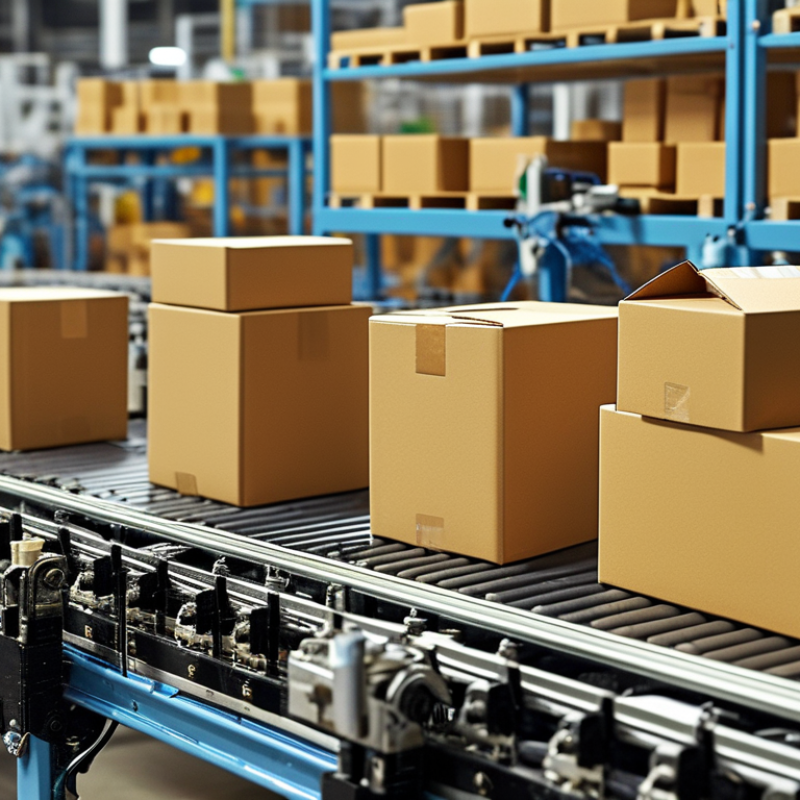
Why Packaging Automation Reduces Labor Costs?

How Packaging Automation Replaces Repetitive Manual Tasks

Why Packaging Automation Reduces Labor Costs?

How Packaging Automation Replaces Repetitive Manual Tasks

Packaging automation reduces labor costs by replacing repetitive manual tasks with consistent machine actions. Workers no longer need to fold every carton, place each item, or apply every label by hand. Instead, they monitor equipment, replenish materials, inspect output, and handle exceptions. This changes labor from constant motion to higher-value supervision. It can also reduce strain caused by lifting, reaching, and repeating the same wrist movement for hours.

A practical system may combine carton forming, product counting, sealing, and labeling. When production runs across several shifts, those small savings accumulate. Fewer temporary workers may be needed during predictable demand peaks. Training also becomes more focused because operators learn controls and quality checks, not dozens of manual steps. Still, automation is not magic. A poorly adjusted sensor can stop a line, and a rushed installation can create new work. Labor costs may fall only after maintenance, changeover time, and downtime are measured honestly.

Tips: Map manual steps before choosing equipment. Record cycle times, staffing levels, errors, and stoppages for several weeks. Automate the most repetitive task first. Keep trained staff nearby for jams and unusual package sizes. Review results monthly, because early estimates are often too optimistic.

How Automated Systems Improve Packaging Productivity

Automated packaging systems improve productivity by keeping repetitive work moving at a steady pace. They can fill, seal, label, and inspect products with consistent timing. Workers spend less time folding cartons or correcting uneven seals. Instead, they can monitor equipment, replenish materials, and handle quality checks. This shift helps each employee support more output during a production hour.

The productivity gain becomes clearer during busy periods. A conveyor can maintain a controlled flow while sensors detect missing items or damaged packages. Operators receive alerts before a small fault affects an entire batch. Fewer interruptions mean less waiting beside idle machinery. In a well-planned line, one trained operator may supervise several connected processes, although staffing needs depend on product size and packaging complexity.

Automation is not flawless. A poorly adjusted sensor can stop production repeatedly, and unsuitable settings may increase waste. Training, preventive maintenance, and regular performance reviews are essential. Teams should measure cycle time, downtime, rework, and changeover speed before judging labor savings. Some facilities may need more technical support at the beginning. That cost is real. However, reliable data can reveal where automation genuinely improves productivity and where manual work still performs better.

How Automation Lowers Long-Term Labor Expenses

Packaging automation reduces long-term labor expenses by changing how people spend each shift. In a manual line, workers may repeatedly lift, fold, seal, inspect, and move packages. Automation handles predictable motions at a steadier pace. This reduces overtime pressure during seasonal demand. It also limits fatigue-related slowdowns and avoidable rework. Small gains matter. A few seconds saved per package can remove several labor hours each week.

The strongest savings usually appear after implementation, not on installation day. One operator can monitor multiple stations when equipment is properly balanced and maintained. Staff can move toward quality checks, material planning, maintenance, or customer-focused tasks. Fewer packing errors mean less repacking, fewer returns, and less time investigating complaints. In practical operations, these secondary costs are often underestimated. However, automation is not automatically cheaper. Poor layouts, unreliable sensors, and weak training can create expensive interruptions.

Long-term labor analysis should include service, calibration, software updates, and safety training. Managers should compare labor hours before and after automation using consistent order volumes. They should also speak with operators, who notice awkward tasks that spreadsheets miss. A cautious rollout often exposes problems early. That is better. The goal is not removing every worker. It is reducing repetitive strain while using skilled people more effectively. Results depend on product variety, line design, and disciplined management. Honest uncertainty makes the business case more reliable.

How Packaging Technology Reduces Errors and Rework

Why Packaging Automation Reduces Labor Costs?

How Packaging Technology Reduces Errors and Rework

Packaging automation lowers labor costs by preventing small mistakes from becoming expensive rework. A vision system can detect a crooked label, an open carton, or a missing date code before products leave the line. A checkweigher can stop underfilled packages within seconds. Small faults multiply. Manual inspection often misses them during long shifts.

The International Federation of Robotics reported 541,302 industrial robots were installed worldwide in 2023, a 10% increase from the previous year.

This growth reflects stronger demand for consistent production and repeatable quality. In packaging operations, automated sensors also create traceable records, helping supervisors identify when an error started. That evidence supports faster adjustments and more reliable training.

Quality failures still carry a serious cost. The American Society for Quality notes that poor quality can consume 15% to 20% of sales, and sometimes more. Automation can reduce this exposure by standardizing sealing pressure, label placement, and product counting. However, technology is not a magic fix. Incorrect settings can produce hundreds of identical defects. A poorly calibrated sensor may reject good packages or allow bad ones through. Operators still need practical training, preventive checks, and clear response procedures. The honest lesson is simple: automation removes repetitive inspection, but it does not remove responsibility.

Factors That Influence Labor Savings from Packaging Automation

Why Packaging Automation Reduces Labor Costs?

Factors That Influence Labor Savings from Packaging Automation

Automation reduces labor costs not simply by replacing hands. It changes how hours are used.

In packaging audits, the largest savings often come from repetitive loading, sealing, labeling, and pallet movement. A machine may run for eight hours, while one operator monitors several stations. That shift matters during peak orders.

Labor savings depend on line speed and product variety. Fast, stable products usually produce clearer returns than frequent custom batches. Changeovers can erase expected savings when formats, cartons, or labels change often. Keep setup times visible. Measure minutes, not promises.

Staffing also depends on machine integration. Poorly matched conveyors can create jams and require constant intervention. Reliable sensors, accessible controls, and preventive maintenance reduce those interruptions. Training has a cost, too. A short, practical training plan helps operators respond without waiting for specialists.

The calculation should include wages, overtime, maintenance, energy, and downtime. It should also compare current manual output with verified machine performance. A spreadsheet may look convincing while ignoring rejected packs or slow restarts. That happened in one production review. The projected labor reduction was real, but smaller than expected.

Good automation removes strain from repetitive tasks, yet it does not remove responsibility. Skilled people still inspect quality, manage exceptions, and improve the process. Savings grow when equipment fits the workflow, not when speed alone drives the purchase.

FAQS

: How do automated packaging systems improve productivity?

: They keep filling, sealing, labeling, and inspection moving at steady intervals. Workers can monitor equipment, refill materials, and complete quality checks. More output may fit into one production hour.

Which packaging tasks benefit most from automation?

Repetitive loading, sealing, labeling, counting, and pallet movement usually benefit first. These tasks repeat many times each shift. Repetition creates clearer savings.

Can automation reduce packaging errors and rework?

Yes, sensors can detect crooked labels, open cartons, missing codes, or low weights. Early detection prevents small faults from spreading across a batch. It is not perfect.

How does automation affect labor costs?

One trained operator may supervise several connected stations. The calculation must include wages, overtime, maintenance, energy, downtime, and rejected packages. Savings are not automatic.

Does automation eliminate the need for packaging workers?

No, workers still manage exceptions, inspect quality, replenish materials, and improve processes. Their duties shift from repetitive handling toward supervision and decisions. Responsibility remains human.

What measurements should a facility review before automation?

Track cycle time, downtime, rework, changeover speed, output, and rejected packages. Compare manual results with verified machine performance. Measure minutes, not promises.

How do product changes influence automation savings?

Frequent changes in cartons, labels, or product formats can lengthen setup time. Slow changeovers may erase expected labor savings. Product variety matters.

What problems can poorly adjusted equipment cause?

Incorrect sensors may stop the line repeatedly or reject acceptable packages. Unsuitable settings can also create many identical defects. One bad setting spreads quickly.

What support do operators need after installation?

They need practical training, preventive maintenance, clear alerts, and simple response procedures. Accessible controls can reduce delays when faults appear. Training costs money.

When does packaging automation provide the strongest return?

Returns are clearer with stable products, regular demand, and long production runs. Equipment should fit the workflow, not merely run faster. The estimate may still be wrong.

Conclusion

Packaging automation helps businesses reduce labor costs by replacing repetitive manual tasks such as filling, sealing, labeling, sorting, and palletizing. Automated equipment can operate continuously with consistent speed and accuracy, allowing employees to focus on quality control, maintenance, order management, and other higher-value responsibilities. By improving workflow efficiency and packaging productivity, automation helps companies process more products without increasing their workforce at the same rate.

Another important benefit is the reduction of long-term labor expenses. Automated systems can minimize human errors, product damage, and packaging inconsistencies, which lowers rework, waste, and the time needed for corrections. However, the actual savings depend on production volume, labor rates, equipment costs, maintenance requirements, and the level of process integration. To understand how to reduce labor costs with packaging automation, companies should evaluate their current workflow, identify the most repetitive activities, and select solutions that match their operational needs and future growth.

Aria

Aria

Aria is a dedicated marketing professional with a deep passion for innovative strategies and a keen understanding of our company's product offerings. With a wealth of experience in the industry, Aria excels at crafting engaging content that highlights the unique features and benefits of our......