10 Essential Tips for Choosing a Packaging Machinery Supplier?

Time:2026-08-27 Author:Liam
0%

Choosing the right packaging machinery supplier is crucial in today's competitive market. Understanding "how to choose a packaging machinery supplier" can significantly impact your production efficiency and cost. According to a recent industry report from Smithers Pira, the global packaging machinery market is projected to reach $50 billion by 2027, driven by advancements in technology and increased demand for automation.

As businesses strive for higher throughput and lower operational costs, selecting the right partner becomes essential. A trusted supplier not only provides machinery but also offers ongoing support, which is critical for minimizing downtime. Moreover, a study by The Freedonia Group emphasizes that companies that invest in reliable suppliers experience a 20% increase in production efficiency, underscoring the importance of this decision.

However, not all suppliers are created equal. Some may overpromise and under-deliver, leading to regrettable choices. Assessing a supplier's credibility, customer feedback, and technical capabilities is vital. Engaging with peers and industry forums can reveal insights that reports may overlook, promoting informed decision-making. Keep these factors in mind to make an informed selection in this complex landscape.
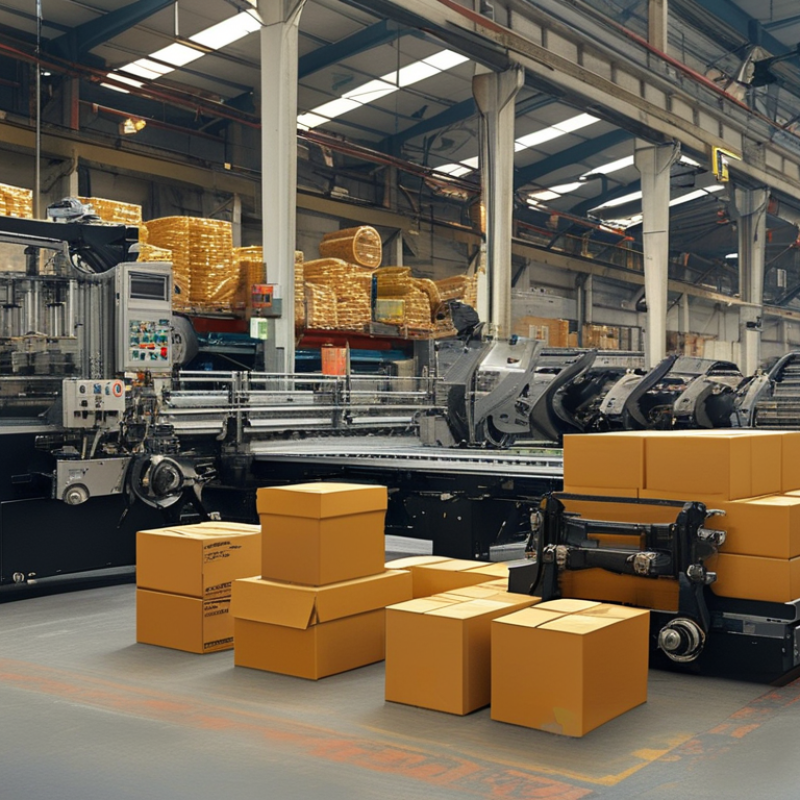
10 Essential Tips for Choosing a Packaging Machinery Supplier?

Understanding Your Packaging Needs: Key Considerations and Specifications

When choosing a packaging machinery supplier, understanding your packaging needs is crucial. Begin by defining the type of products you will be packaging. Are they fragile, heavy, or require special handling? Knowing this helps narrow down machinery options that fit specific requirements. Additionally, consider the speed and volume of packaging needed. This can greatly impact the efficiency of your production line.

Next, evaluate the technical specifications of the machinery being offered. Look for equipment that offers flexibility for various sizes and formats. It's common for businesses to overlook maintenance and technical support. A reliable supplier should offer comprehensive support and service plans. If your machinery breaks down, the response time can affect your entire operation.

Consider also the integration capabilities of the machinery with your existing systems. Compatibility issues can lead to costly delays. Engage with suppliers to understand how their equipment can adapt to your current processes. Don't forget to review case studies or references from similar businesses in your industry. This can provide insight into the supplier's reliability and effectiveness. Identifying these key aspects can lead to a well-informed decision.

10 Essential Tips for Choosing a Packaging Machinery Supplier

Tip Number Tip Key Considerations Specifications
1 Assess Your Needs Product type, size, and volume Capacity requirements
2 Evaluate Scalability Future growth plans Modular options
3 Check Technology Compatibility Existing equipment integration Software interfaces
4 Assess Supplier Reputation Industry experience and reviews Case studies
5 Consider After-Sales Support Availability of service and parts Warranty terms
6 Compare Costs Initial investment vs. long-term savings Total cost of ownership
7 Review Customization Options Unique packaging needs Tailored solutions
8 Assess Energy Efficiency Sustainability goals Energy consumption specifications
9 Explore Safety Features Compliance with safety standards Safety mechanisms
10 Get References Speak to current customers Feedback on performance

Evaluating Supplier Experience: Industry Standards and Performance Metrics

When evaluating packaging machinery suppliers, industry experience is crucial. According to a recent survey by the Packaging Machinery Manufacturers Institute, over 45% of manufacturers cite supplier reliability as a key factor in their decision. Suppliers with extensive industry experience tend to have a better understanding of evolving market demands. This understanding enables them to deliver tailored solutions that can enhance production efficiency.

Performance metrics offer another lens for evaluation. Consider metrics such as equipment uptime, maintenance response time, and overall return on investment. A report from the Association for Packaging and Processing Technologies states that machinery with a 95% uptime can lead to lower operational costs. However, it’s important to reflect on these figures critically. Companies should inquire about how suppliers measure these metrics. Different methodologies may lead to varied interpretations of performance data.

Industry standards also play a significant role. Suppliers adhering to certifications like ISO 9001 are often seen as more credible. Yet, not all suppliers pursue these certifications, which can be a red flag. Buyers should weigh these factors against competitive pricing and customer support. A lower-cost supplier without proven standards may pose risks that could outweigh initial savings. Ultimately, finding the right supplier requires careful consideration of these elements.

Assessing Technology Integration: Compatibility with Existing Systems

When selecting a packaging machinery supplier, technology integration is crucial. Many companies spend approximately 25% of their annual revenue on machinery. Compatibility with existing systems can significantly influence both efficiency and cost-effectiveness. An integration process that is cumbersome often leads to production delays, impacting overall output.

According to a report by an industry research firm, 70% of businesses experience disruptions when new equipment doesn't align with current setups. These disruptions can escalate operational costs by up to 15%. It's essential to determine how new machinery will interface with your existing technology. Assessing protocols, software compatibility, and ease of integration can mitigate risks.

In the fast-paced packaging industry, adaptability is key. Equipment that can seamlessly integrate with existing systems supports smoother workflows. However, not all suppliers provide adequate support during this transition. Seeking feedback from peers may reveal which suppliers excel in this area. Investing time in evaluating technological compatibility can pay substantial dividends.

Assessing Technology Integration: Compatibility with Existing Systems

Analyzing Total Cost of Ownership: Beyond Initial Equipment Investment

When selecting a packaging machinery supplier, analyzing the Total Cost of Ownership (TCO) is crucial. TCO goes beyond the initial equipment cost. It includes installation, operating expenses, maintenance, and even potential downtime. A report from PMMI indicated that 70% of machine owners do not factor in these long-term costs when making their decision. This oversight can lead to unexpected financial strains.

Operating expenses can vary significantly based on machinery efficiency. According to data from IBISWorld, companies may lose up to 20% of their production capacity due to inefficient machinery. Regular maintenance is another essential cost. Neglecting planned maintenance can result in equipment failure, leading to costly repairs and lost production. Some studies show that companies save 15-20% on maintenance by choosing reliable suppliers who provide comprehensive service agreements.

Investing in training for operators is also part of TCO. An undertrained workforce can lead to mistakes, resulting in product waste. Around 30% of packing line inefficiencies stem from operator error. Therefore, selecting a supplier who offers robust training support can enhance efficiency and reduce long-term costs. Reflecting on these factors can guide you in choosing a supplier that aligns with your financial goals.

Exploring Customer Support and Service: Importance of Responsive Assistance

When selecting a packaging machinery supplier, customer support should be a top priority. A responsive assistance team can be invaluable when issues arise. It's crucial to assess how quickly they can address concerns or inquiries. Delays in communication can lead to costly downtime. An efficient support team can help mitigate such risks.


Moreover, look for suppliers that offer technical expertise alongside customer service. Technical personnel should be available to answer complex queries. This level of expertise can enhance your operational efficiency. It's beneficial when support staff understand machinery intricacies. Their knowledge can guide you through troubleshooting processes effectively.


Consider the supplier's availability beyond standard hours. Is support limited to weekdays? A dedicated service team that provides round-the-clock assistance can be a game-changer. While some suppliers may claim extensive availability, their actual responsiveness might differ. Prioritize suppliers that demonstrate a commitment to rapid response times, especially in critical situations.

FAQS

: What should I consider when defining packaging needs?

: Start with the type of products. Think about if they are fragile, heavy, or need special handling.

Why is speed important in packaging machinery?

Speed affects production efficiency. Assess how quickly you need to package products to meet demand.

What technical specifications should I evaluate?

Look for machinery flexibility for various sizes. Compatibility with your current systems is also essential.

How can supplier support impact my operation?

Reliable support ensures quick response during breakdowns. It can prevent costly downtime and operational disruptions.

How can I assess supplier experience?

Consider their industry experience and reliability. References from similar businesses can provide valuable insights.

What are performance metrics I should examine?

Focus on uptime, maintenance response time, and return on investment. Different interpretations may exist, so ask for clarity.

What does Total Cost of Ownership include?

TCO covers installation, operating expenses, maintenance, and downtime. Many overlook these long-term costs initially.

How does machinery efficiency affect expenses?

Inefficient machinery can cause significant capacity loss. This can lead to higher operational costs and waste.

Why is operator training significant?

Proper training reduces errors and waste. An untrained workforce can cause many inefficiencies on packing lines.

What should I reflect on when choosing a supplier?

Balance costs with reliability and support. A low-cost supplier without quality standards can lead to future issues.

Conclusion

Choosing the right packaging machinery supplier is crucial for optimizing your production processes. Understanding your packaging needs is the first step; you should clearly define your specifications and requirements. Evaluating the supplier's experience is also essential—look for those who meet industry standards and demonstrate strong performance metrics. Additionally, consider the technology integration capabilities of the supplier, ensuring their machinery is compatible with your existing systems.

Beyond the initial investment, it's important to analyze the total cost of ownership, which can include maintenance, operation, and potential downtime costs. Finally, explore the level of customer support and service offered by the supplier, as responsive assistance can significantly impact your operational efficiency. By following these insights on how to choose a packaging machinery supplier, you can make informed decisions that align with your business goals.

Liam

Liam

Liam is a dedicated marketing professional with a profound expertise in the industry, where he excels at highlighting the unique advantages of our core products. With a keen understanding of market trends and consumer needs, Liam frequently updates our company’s professional blog, providing......