What Certifications Should China Packaging Machinery Have?

Time:2026-09-06 Author:Ethan
0%

When evaluating Chinese packaging machinery, buyers often ask, “what certifications should packaging machinery have?” The answer depends on the machine’s design, application, destination market, and materials handled. A cartoning machine for domestic production may face different requirements from a filling line exported to Germany, the United States, or Australia.

W. Edwards Deming, a respected quality-management expert, said, “You cannot inspect quality into a product; it is already there.” This principle remains highly relevant. A certificate should support safe engineering, not replace it. Buyers should examine risk assessments, electrical diagrams, emergency-stop functions, guarding systems, and factory test records. The paperwork matters. The machine still matters more.

For Chinese packaging machinery, ISO 9001 can indicate a structured quality-management system. It does not automatically certify every machine. Depending on the target market, CE marking may involve machinery safety, electromagnetic compatibility, and other applicable European requirements. Some products may also require food-contact documentation, hygienic design evidence, or local approvals. CCC requirements in China depend on the product category and current regulatory scope.

Reliable suppliers should explain which standards apply and why. They should provide traceable certificates, test reports, user manuals, and maintenance instructions. A copied logo is not proof. An expired document is worse.

This article examines the main certifications and standards that packaging machinery may need. It also considers a difficult point: certification can reduce risk, but it cannot guarantee perfect operation. Buyers must still verify performance, training, spare parts, and after-sales support before signing a purchase contract.
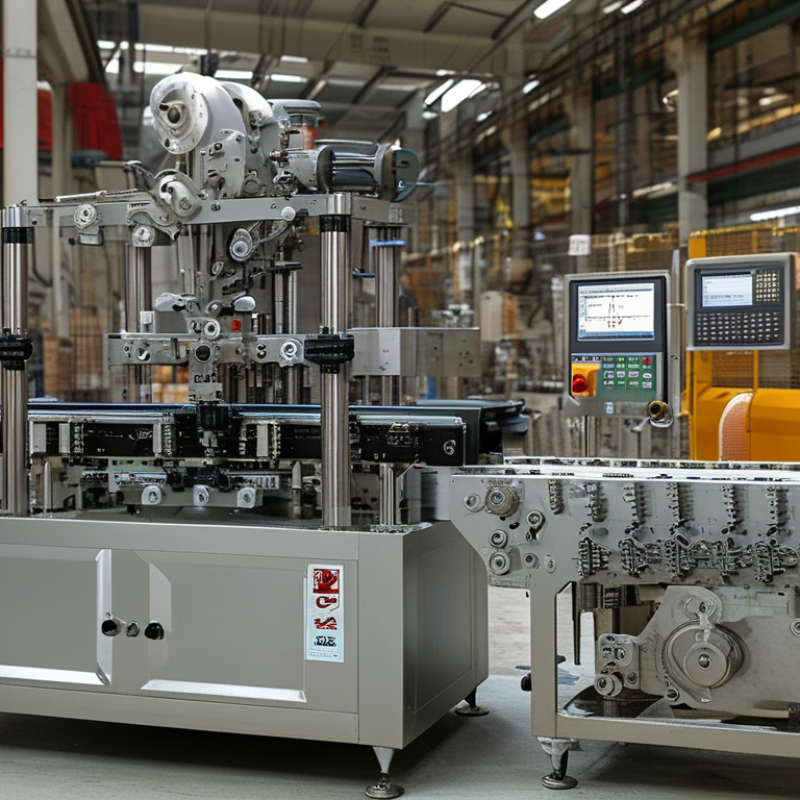
What Certifications Should China Packaging Machinery Have?

China’s Packaging Machinery Certification Requirements by Market

What Certifications Should China Packaging Machinery Have?

China’s Packaging Machinery Certification Requirements by Market

Certification depends on the destination, machine design, and packaged product. China-made packaging machinery sold domestically should follow applicable GB and GB/T safety standards. CCC certification applies only to products listed in China’s compulsory catalogue. It is not automatically required for every packaging machine. Manufacturers should prepare risk assessments, electrical test records, operating manuals, and clear machine nameplates. Small gaps matter.

For the European Union, exporters usually need CE marking, a technical file, an EU Declaration of Conformity, and compliance with applicable safety and electromagnetic requirements. The Machinery Regulation (EU) 2023/1230 will replace the Machinery Directive from January 20, 2027. Until then, the current framework remains important. EN ISO 12100 supports machinery risk assessment, while EN 415 standards address packaging-machine safety. Food-contact materials may require separate compliance evidence. The machine certificate alone is insufficient.

The United States has no single federal certificate equivalent to CE marking. Buyers and workplace authorities often expect electrical evaluation through an accepted testing laboratory. OSHA requirements, NFPA 79 practices, and food-contact rules may also influence acceptance. In the United Kingdom, exporters should verify whether CE or UKCA marking applies to the delivery date and product category. A 2024 Mordor Intelligence report valued the global packaging machinery market at approximately US$55 billion and forecast it above US$66 billion by 2029. That growth increases scrutiny. Certification planning should begin before design freezes. Many export files are still incomplete.

Mandatory Chinese Compliance Certifications and Safety Standards

What Certifications Should China Packaging Machinery Have?

Mandatory Chinese Compliance Certifications and Safety Standards

Packaging machinery sold or imported into China must meet applicable Chinese compliance requirements. The China Compulsory Certification, commonly called CCC, is mandatory only for products listed in the official catalogue. Not every packaging machine requires it. However, electrical components may fall under separate CCC categories, so classification should happen before shipment.

GB standards provide the practical safety framework. They may cover machinery guarding, emergency stops, electrical protection, insulation, grounding, and electromagnetic compatibility. A compliant machine should have fixed guards, clearly marked hazards, and accessible isolation switches. Moving parts should stop quickly when an interlock opens. Small details matter here. A loose terminal can create a serious risk.

Manufacturers should prepare a technical file in Chinese. It should include risk assessments, circuit diagrams, test reports, operating instructions, and maintenance procedures. Nameplates and safety labels should also be understandable to Chinese operators. If the machine includes pressure vessels, lifting systems, or other regulated equipment, additional approvals may apply. Do not assume a CE mark replaces Chinese compliance. It may support technical evidence, but it is not automatically accepted as a domestic certification.

During factory checks, buyers should compare the certificate model, electrical cabinet, and delivered machine. They must match. Paperwork alone is not enough. Certificates can expire, and standards can change. A practical review before production is safer than discovering gaps at customs or during installation.

Electrical, Mechanical, and Pressure Equipment Certification Needs

Electrical, Mechanical, and Pressure Equipment Certification Needs

China packaging machinery needs more than a general quality certificate. Its certification plan should match the machine’s electrical circuits, moving parts, and pressure systems.

The International Federation of Robotics reported 541,302 industrial robot installations worldwide in 2023. This growth increases the need for documented control panels, emergency stops, guarding, and reliable risk assessment.

For electrical safety, engineers commonly reference IEC 60204-1 and relevant Chinese GB standards. CCC requirements may apply to specific products or components, but not every complete packaging machine. The exact catalog status must be checked before shipment.

Mechanical design should follow ISO 12100 principles, including hazard identification, guarding, interlocks, and validation records.

A loose belt near a sealing jaw is not a small issue.

Pressure systems require separate attention. Steam, compressed air, hydraulic circuits, and heated vessels may trigger China’s TSG requirements or export rules such as the EU Pressure Equipment Directive 2014/68/EU.

Wall thickness calculations, material certificates, weld records, pressure tests, and safety-valve settings should remain traceable.

PMMI’s 2024 State of the Industry reporting identifies labor shortages and automation as continuing investment drivers, making clear documentation increasingly practical, not merely administrative.

In real projects, teams sometimes focus too heavily on electrical approval and review pressure hazards too late. That approach needs reconsideration.

Export Certifications for the EU, North America, and Other Markets

What Certifications Should China Packaging Machinery Have?

Export Certifications for the EU, North America, and Other Markets

Export certification depends on the destination, machine design, and electrical system. In the EU, packaging machinery normally needs a CE marking, risk assessment, technical file, Declaration of Conformity, and clear safety instructions. EN ISO 12100 supports risk reduction, while EN 60204-1 addresses machine electrical equipment. The EU Machinery Regulation (EU) 2023/1230 will apply from January 20, 2027. A CE mark is not a magic passport. Importers may still request factory tests, noise data, and documented safety validation.

North American buyers often expect evidence beyond a basic declaration. In the United States, OSHA-recognized NRTL evaluation is commonly requested for electrical panels and components. ANSI B11.19 and NFPA 79 can guide safeguarding and industrial wiring. Canadian projects may require certification through an organization accredited by the Standards Council of Canada. PMMI’s 2024 State of the Industry report estimated U.S. packaging machinery shipments at about US$10.2 billion in 2023. That scale raises buyer expectations for traceability, service records, and reliable documentation.

Tips: Prepare a market-specific compliance matrix before production. Record serial numbers, emergency-stop tests, insulation results, and software versions. For Australia, check RCM requirements; for the UK, review UKCA or accepted CE routes. Requirements change, and our first interpretation may be incomplete. Have a qualified local assessor review the file before shipment.

Packaging Machinery Certifications by Export Market

This chart summarizes the main compliance routes that packaging machinery exporters should assess. The values represent the number of commonly relevant regulatory areas, not a universal certification requirement for every machine.

Key considerations: In the EU, machinery safety, EMC, and RoHS requirements commonly support CE conformity. In the United States and Canada, electrical safety evaluation and electromagnetic compatibility requirements may apply. Australia and New Zealand commonly use the RCM framework. Japan may require PSE or radio-related compliance when the equipment falls within the relevant product scope. China may require CCC certification only when the product is included in the applicable catalogue, alongside relevant national standards.

How to Verify, Maintain, and Document Packaging Machinery Certifications

What Certifications Should China Packaging Machinery Have?
How to Verify, Maintain, and Document Packaging Machinery Certifications

Certification work should begin with the machine’s destination, function, and electrical design. A packaging machine exported from China may need CE marking for applicable European requirements. Other markets may require different safety approvals. Do not treat one certificate as universal proof. Check the current rules, machine model, voltage, and intended use.

Verification needs more than a scanned document. Compare the certificate number with the issuing body’s official database, when available. Confirm the exact model, production site, testing scope, and validity period. Review the risk assessment, wiring diagrams, emergency-stop test, and declaration of conformity. A tidy folder is not proof. Small mismatches matter, such as a serial number missing one digit.

Maintenance should follow a controlled schedule. Inspect guards, sensors, cables, and safety relays during planned service. Record the date, technician, findings, replacement parts, and test results. Update documents after software changes, component substitutions, or mechanical redesigns. Keep the original certificate, revised drawings, manuals, and test reports together. Use clear file names and protect records from casual editing.

The process is rarely perfect.

In practice, teams often update the machine but forget the paperwork. That gap can delay installation and weaken customer confidence. A monthly document check helps expose missing signatures, expired reports, or inconsistent translations. Technical staff should review the file with quality and compliance personnel. Independent testing may be sensible when the machine changes significantly. Rules also change, so an old approval should never be accepted without review.

FAQS

: Is compulsory certification required for every packaging machine sold in China?

: No. Compulsory certification applies only to products listed in the official catalogue. Electrical components may require separate certification.

Which Chinese standards commonly affect packaging machinery?

Applicable GB and GB/T standards may cover guarding, emergency stops, grounding, insulation, and electromagnetic compatibility. Details matter.

What safety features should a compliant machine include?

Machines should have fixed guards, marked hazards, emergency stops, and accessible isolation switches. Moving parts should stop when an interlock opens.

What documents should manufacturers prepare for the Chinese market?

Prepare a Chinese technical file with risk assessments, circuit diagrams, test reports, manuals, and maintenance procedures. Clear nameplates matter too.

Does a European conformity marking replace Chinese certification?

No. It may support technical evidence, but it does not automatically satisfy Chinese requirements. Domestic classification remains necessary.

What is usually needed when exporting machinery to the European Union?

Exporters generally need conformity marking, a technical file, and a declaration of conformity. Risk assessment and electromagnetic safety evidence may also apply.

Are food-contact requirements covered by the machine certificate?

Not always. Materials touching food may need separate compliance evidence. The machine certificate alone is insufficient.

Is there one federal certificate for packaging machinery in the United States?

No single certificate covers every machine. Buyers may expect electrical evaluation, workplace safety compliance, and food-contact documentation.

What should exporters check before delivery?

Compare the certificate model, electrical cabinet, and delivered machine. They must match. Paperwork is not enough.

When should certification planning begin?

Begin before the design is frozen. Standards can change, certificates can expire, and small missing records can delay installation. Planning still fails sometimes.

Conclusion

Determining what certifications should packaging machinery have depends on the destination market, machine design, and level of operational risk. Equipment sold in China may need applicable domestic compliance approvals, safety documentation, electrical conformity checks, and specialized certifications for pressure-related components. Manufacturers should also evaluate mechanical guarding, emergency stops, control systems, electromagnetic compatibility, and workplace safety requirements before delivery. Certification needs may differ for machinery exported to the European Union, North America, and other regions, where local conformity procedures, technical files, testing reports, labeling, and declarations may be required.

A reliable compliance process should begin with identifying the machine’s functions and target markets, followed by selecting appropriate testing and certification routes. All certificates, inspection records, risk assessments, user manuals, and component documents should be organized in a traceable file. Certifications must also be maintained through design-change reviews, scheduled inspections, proper calibration, and updated technical documentation. By managing compliance throughout the machine’s life cycle, manufacturers and buyers can reduce delays, improve operator safety, and support smoother customs clearance and market entry.

Ethan

Ethan

Ethan is a seasoned marketing professional with a deep expertise in our company's innovative product line. With a passion for sharing knowledge and insights, he takes the lead in regularly updating our corporate blog, where he explores industry trends, product features, and effective marketing......